The Devil Tarot Card Meaning
Two people stand chained beneath a horned figure. Explore how The Devil illuminates desire, attachment, difficult bargains, and the choices that shape our lives.
- attachment
- temptation
- compulsion
- power
- shame
Card at a glance
- Number
- XV
- Element
- Earth
- Astrology
- Capricorn (Golden Dawn)
- Keywords
- attachment, temptation, compulsion, power, shame
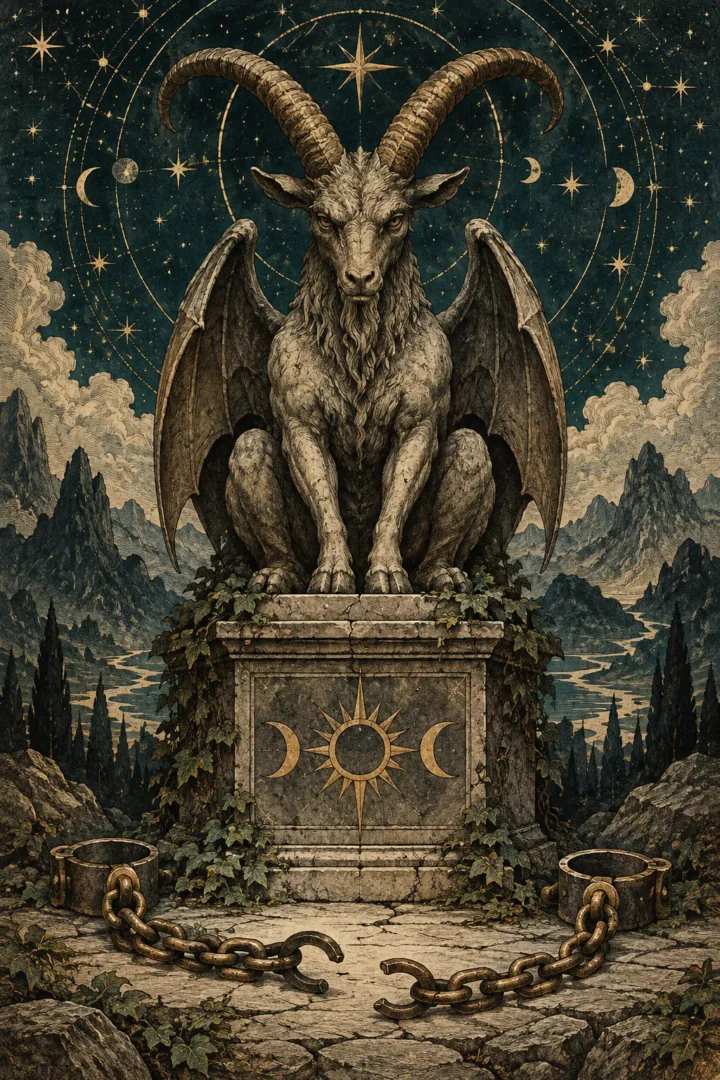 XV · The Devil
Upright meaning
Attachment, temptation and compulsion
Upright, The Devil often suggests that something has gained a troubling hold on your attention. You may be drawn back to a habit you intended to change, trapped in a cycle of comparison, or worried that disappointing someone will cost you their affection.
- Attachment
- Temptation
- Compulsion
- Power
- Shame
Reversed meaning
Confronting a pattern, seeking freedom and renewed awareness
Reversed, The Devil can appear when a pattern that once felt ordinary becomes impossible to overlook. Perhaps you finally notice how anxious you feel after spending time with someone, or recognize that a familiar coping habit leaves you more isolated afterward.
- Confronting a pattern
- Seeking freedom
- Renewed awareness
- Persistent dependence
Card symbolism
-
The horned creature and pedestal
The central figure draws on the horned goat imagery used in European occultism. Batlike wings extend from its shoulders, and its body combines human and animal features.
-
The two chains
The chains appear relatively loose around the figures’ necks. Many modern readers understand that detail as a sign that some patterns can be recognized and changed.
-
The inverted pentagram and lowered torch
A five-pointed star sits upside down above the creature’s face. Within this card’s later occult symbolism, it is commonly read as an image of spiritual values becoming lost beneath material concerns or appetite.
-
The horns and tails of the human figures
The people beneath the pedestal have begun to resemble the being above them. Their tails and small horns make the transformation visible.
In depth interpretation
A horned figure watches over two people standing at the foot of a dark pedestal. Chains circle their necks. Above the creature’s brow is an upside-down pentagram, and a torch burns toward the ground. It is a disturbing scene, yet the most unsettling detail may be how familiar its arrangement feels. The people remain beside the pedestal, close enough to see one another, their lives caught up in the same strange bargain.
The Devil is a tarot card of attachment, temptation, fear, material desire, and the powers we allow to shape our choices. Upright, it often draws attention to a pattern that offers something we want while asking a heavy price. Reversed, it can signal growing awareness, an effort to loosen an attachment, or a struggle that has become harder to ignore.
If you have drawn The Devil, notice where your attention goes. Are you looking at the creature, the chains, or the two people beneath it? Each detail opens a different question about what holds influence in your life.
The spiritual meaning of The Devil: the hidden bargain
Sometimes a habit begins as a kindness to yourself. A little distraction after a painful day helps you settle. Praise from others eases an old insecurity. Success brings the sense of safety you have been longing for. Over time, you may discover that the comfort has acquired expectations of its own.
The Devil is interested in the bargain beneath the habit. What does it give you? How do you feel when it is unavailable? What has gradually become harder to choose because of it?
There is an honest kind of spiritual inquiry in these questions. The card can bring us close to desires we are ashamed to admit: wanting admiration, fearing abandonment, craving control, or wishing the world would stop demanding so much. Those longings deserve compassion and careful attention. Understanding them can change how we respond.
The dark figure also evokes forms of power that are genuinely external. Poverty, coercion, exploitation, and threatening relationships can restrict a person’s choices. An image of loosely held chains should never become an accusation that someone could simply walk away if they wanted to. Sometimes safety and freedom depend on resources, trusted people, and skilled support.
The symbols in The Devil card
Pamela Colman Smith’s Rider-Waite-Smith image deliberately recalls the arrangement of The Lovers: a powerful figure above two human beings. Here the garden has disappeared and the figures are chained to a block. The comparison gives the image much of its emotional force.
The horned creature and pedestal
The central figure draws on the horned goat imagery used in European occultism. Batlike wings extend from its shoulders, and its body combines human and animal features. It raises one hand above the people below.
When this figure catches your eye, consider the authority you have given to a desire, fear, institution, or expectation. Has it become so large in your imagination that you struggle to question it?
The two chains
The chains appear relatively loose around the figures’ necks. Many modern readers understand that detail as a sign that some patterns can be recognized and changed. It can be an encouraging interpretation when you are examining a habit or belief that has become familiar.
Its limits matter. Real dependence can involve danger, illness, financial constraints, or the threat of retaliation. A reading can help you name an experience while leaving the practical work of safety and change to appropriate real-world support.
The inverted pentagram and lowered torch
A five-pointed star sits upside down above the creature’s face. Within this card’s later occult symbolism, it is commonly read as an image of spiritual values becoming lost beneath material concerns or appetite.
The torch points toward the earth. Fire can illuminate and consume; here its direction adds a sense of intensity turned downward. Think about a passion that once gave your life energy. What happens when it is the only source of meaning you allow yourself?
The horns and tails of the human figures
The people beneath the pedestal have begun to resemble the being above them. Their tails and small horns make the transformation visible. The image invites reflection on how an environment can shape the people who live within it.
A person constantly measured by their earnings, appearance, or obedience may begin to understand themselves through those measures alone. The card can encourage compassion for the ways we adapt to what surrounds us.
The Devil upright meaning
Upright, The Devil often suggests that something has gained a troubling hold on your attention. You may be drawn back to a habit you intended to change, trapped in a cycle of comparison, or worried that disappointing someone will cost you their affection.
Imagine someone who loves their work and gradually begins checking messages at every meal. They miss conversations with people they care about, then feel guilty for resting. The Devil might describe how the original desire to succeed has become inseparable from fear.
The card can also describe pleasure, magnetism, and ambition. Their presence does not automatically imply harm. Pay attention to whether you still feel able to make choices, speak honestly, and recognize your own limits.
If the reading concerns an unsafe situation, address the situation directly. Tarot imagery is an aid to reflection, and serious patterns of coercion or dependence deserve practical support.
The Devil reversed meaning
Reversed, The Devil can appear when a pattern that once felt ordinary becomes impossible to overlook. Perhaps you finally notice how anxious you feel after spending time with someone, or recognize that a familiar coping habit leaves you more isolated afterward.
This recognition may lead to change. You could ask for help, set a limit, seek treatment for a harmful dependency, or begin rebuilding a part of life that has been neglected. Each of these steps can take time.
A reversal can also describe an attachment that tightens under pressure. You have tried to stop a behavior and found it harder than expected. The card can help you approach that experience with greater understanding. If health or safety is involved, professional guidance can be important.
The Devil in love and relationships
The Devil can carry powerful sexual attraction. A new connection might feel consuming, full of anticipation and an almost irresistible wish to be close. Enjoyment and desire are welcome parts of human intimacy when the people involved can choose freely and respect one another.
Sometimes the card points to a relationship pattern with a high emotional cost. Perhaps you keep checking whether someone has replied, abandon plans with friends to avoid an argument, or feel compelled to explain ordinary choices. Those experiences deserve attention in their own right.
In an established relationship, The Devil might invite a conversation about jealousy, money, or a habit both partners have been struggling with. Reversed, it can suggest efforts to change a damaging dynamic or the difficulty of leaving one.
If someone monitors, threatens, isolates, or controls you, the danger comes from their behavior. You do not need a tarot card to validate your concern, and you deserve help that takes your circumstances seriously.
The Devil as feelings
In a question about someone’s feelings, The Devil can suggest intense attraction, possessiveness, fear of losing a connection, or a desire that is difficult to manage. The surrounding cards may add context to this charged atmosphere.
It cannot reveal someone’s private thoughts or establish that they intend harm. Notice how they treat you, whether they accept your boundaries, and how the connection feels over time.
The Devil for career and work
At work, The Devil often brings ambition and its costs into focus. You may be proud of your achievements while feeling unable to step away. An employer might reward constant availability, or competition may encourage people to hide mistakes.
Imagine someone staying in an impressive role because leaving would feel like admitting failure. They dislike their days and rarely see the friends who once kept them grounded. This card could help them examine what the title provides, what it demands, and which alternatives deserve exploration.
Reversed, The Devil can accompany a serious attempt to change the arrangement: setting boundaries around work hours, reviewing a contract, or asking trusted people for perspective. Exploitative conditions may require advice and support beyond a personal mindset change.
The Devil for money
In financial readings, the card may draw attention to debt, fear of scarcity, status purchases, or promises of easy profit. Money can become a powerful symbol of safety or worth, especially when life has felt unstable.
A reversed Devil might reflect an effort to understand a debt, stop a costly habit, or question an arrangement you once accepted without scrutiny. Check the actual figures and available options. Tarot cannot tell you whether an investment is safe or a financial obligation can be avoided.
The Devil in spiritual practice
Many spiritual traditions have language for temptation, attachment, or the difficulty of living according to one’s values. The Devil card can offer a symbolic mirror for those struggles without requiring you to believe that an evil presence is influencing your life.
You might notice where a spiritual practice itself has become driven by fear. Do you feel compelled to repeat a ritual because something terrible will happen if you do not? Has a teacher told you that only they can protect you from unseen forces? These are important experiences to examine, especially when money, obedience, or isolation is involved.
Within the Golden Dawn correspondence system, The Devil is linked with Capricorn, an earth sign often associated with ambition, duty, and material structure. This later occult association can deepen a reading about the ways achievement and responsibility sometimes become burdens.
The Devil as advice: examine the bargain
Place The Devil before you and choose one pattern you would like to understand more clearly. Draw two columns in your journal. Label one ‘What it gives me’ and the other ‘What it costs me.’
Write without judging yourself. A behavior that has become difficult may once have helped you survive a painful season. Recognizing that history can make the next question more honest: ‘What else could meet this need?’
Choose a small, safe action you can take in the real world. It might be speaking with someone you trust, gathering information, or making an appointment for support. If another person controls your choices or safety, avoid confrontations that could place you at greater risk.
Is The Devil a yes or no card?
The Devil usually leans toward caution in yes-or-no readings, especially when a question concerns a tempting offer, a difficult attachment, or an unequal relationship. If you are asking about pleasure, desire, or ambition, the card can invite a more nuanced question about how the situation affects your freedom and well-being.
How to read The Devil in a tarot spread
In the past position, the card might describe an old attachment that still shapes your decisions. As a challenge, it could highlight fear, secrecy, or a power imbalance. As advice, it may invite you to examine the terms of a choice before making a commitment.
Imagine asking why your work has begun to feel overwhelming and drawing The Devil as the present, the Four of Pentacles as advice, and the Eight of Cups as a possible outcome. You might read the combination as a fear of losing security, the need to examine what you are holding tightly, and a growing willingness to leave behind what no longer serves your life. The spread invites reflection on your options. It cannot decide the future for you.
A brief note on tarot tradition
The Devil has been a recognizable figure in European tarot for centuries, with visual details changing across decks. Pamela Colman Smith’s Rider-Waite-Smith version, first issued in 1909, includes the horned figure, inverted pentagram, torch, and two chained people. Arthur Edward Waite explicitly connected them with the figures in the biblical Fall. The Golden Dawn correspondence with Capricorn belongs to the later esoteric system used by this deck. Modern readings often develop the card’s imagery into questions about autonomy, attachment, and coercion.
Frequently asked questions
Is The Devil tarot card an evil omen?
The picture is unsettling, and some readers understand it through religious symbolism. Drawing the card does not establish that an evil presence is near you or that a frightening event will occur. It is often useful for examining patterns that deserve honest attention.
Does The Devil mean addiction?
It can evoke compulsion and dependency, especially when those themes already belong to the question. A card cannot diagnose addiction. If a behavior is affecting your health or safety, qualified support may help.
Can The Devil have a positive meaning in love?
It may reflect strong chemistry, physical pleasure, or the courage to acknowledge desire. The nature of the relationship is better understood through mutual consent, respect, and everyday behavior.
How is The Devil different from The Lovers?
The two Rider-Waite-Smith images place a powerful figure above a human pair. The Lovers explores connection and consequential choice; The Devil brings attention to the pressures that complicate freedom and intimacy. Appearing together, they may raise questions about how a bond is being lived.
Keep reading
Explore the Major Arcana
Every card page names the tradition behind each meaning, so you can compare readings instead of taking one as fixed.
Related Major Arcana cards
The Devil is part of the Major Arcana. Cards from the same group often appear together in readings.
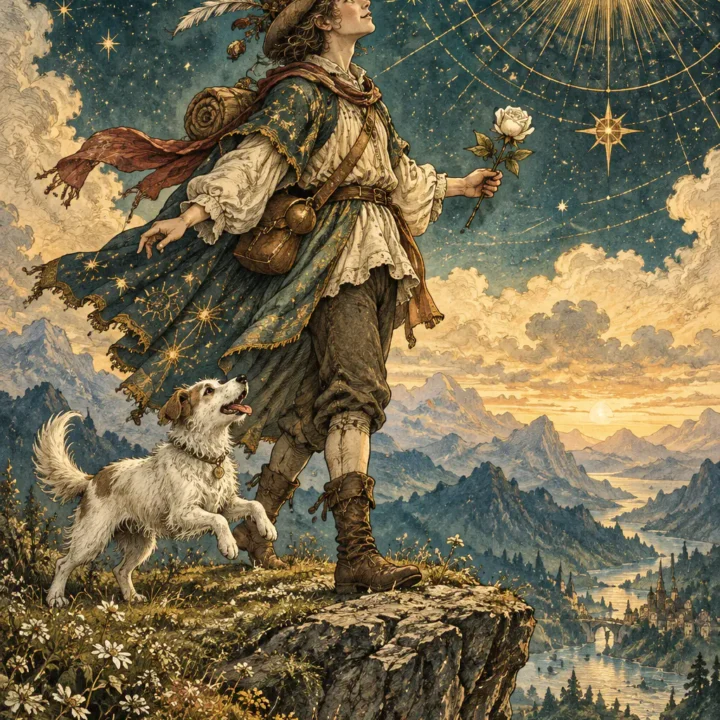
The Fool
new beginnings, curiosity, openness, independence
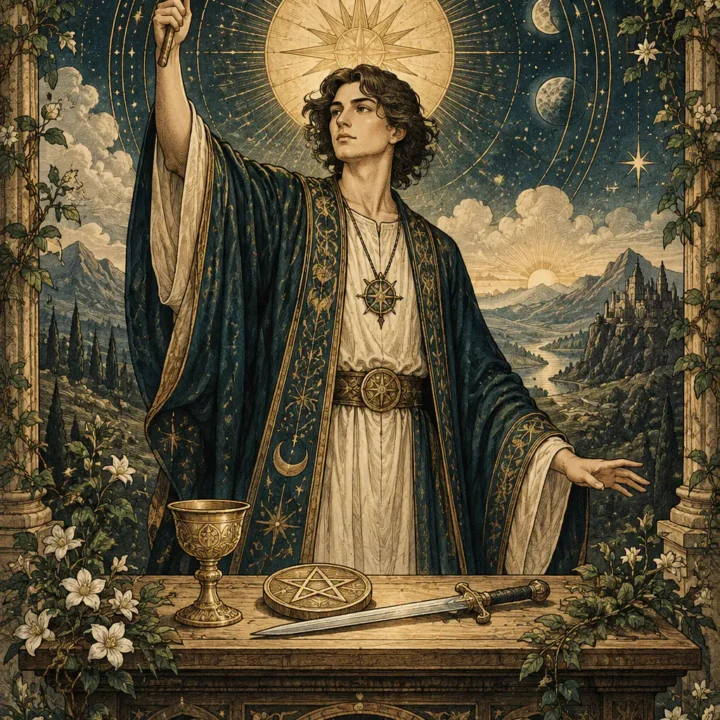
The Magician
resourcefulness, focused will, skill, communication
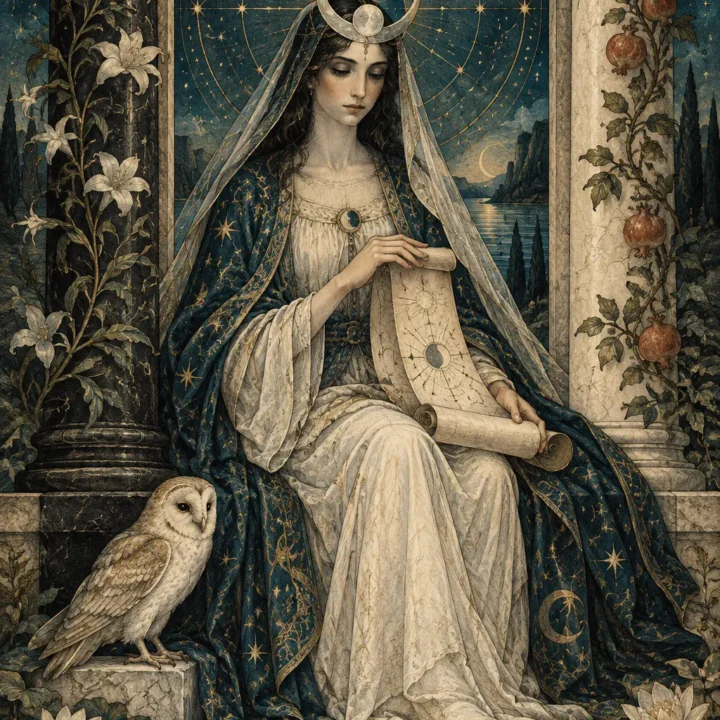
The High Priestess
intuition, contemplation, inner knowledge, privacy
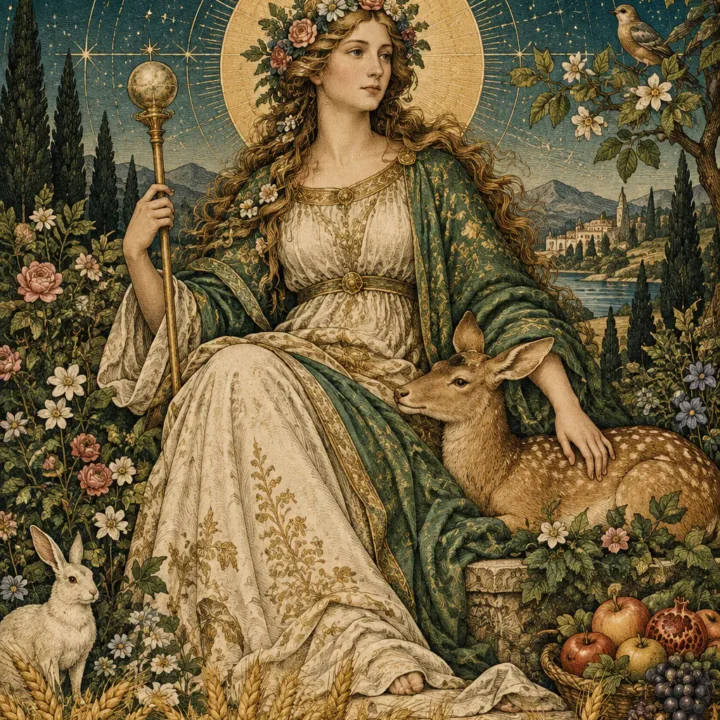
The Empress
creativity, generosity, sensuality, pleasure
Sources and further reading
- Arthur Edward Waite, The Pictorial Key to the Tarot, Part II, The Devil Read the text
- Arthur Edward Waite, The Pictorial Key to the Tarot, Part III, divinatory meanings Read the text
- Golden Dawn tarot manuscript, Book T, The Devil and Capricorn correspondence Read the text
- Victoria and Albert Museum, A history of tarot cards Read the text