
What Does the Color Green Mean in a Dream?
Colors in dreams often carry significant meaning, providing insight into our emotions and experiences. When it comes to the color green in dreams, it can represent a range of interpretations. Green is commonly associated with growth, balance, and harmony. In dreams, it can signify new beginnings, growth, hope, as well as envy and jealousy. Understanding the meaning of seeing the color green in a dream can provide valuable insight into your emotions and circumstances.
Key Takeaways
- Green in dreams symbolizes growth, balance, and harmony.
- It can represent new beginnings, hope, as well as envy and jealousy.
- Understanding the meaning of green in dreams provides insight into your emotions and circumstances.
- Context and personal associations with the color are important for dream interpretation.
- Green is deeply connected to spiritual health, growth, and balance.
What Does a Dream of the Color Green Mean?
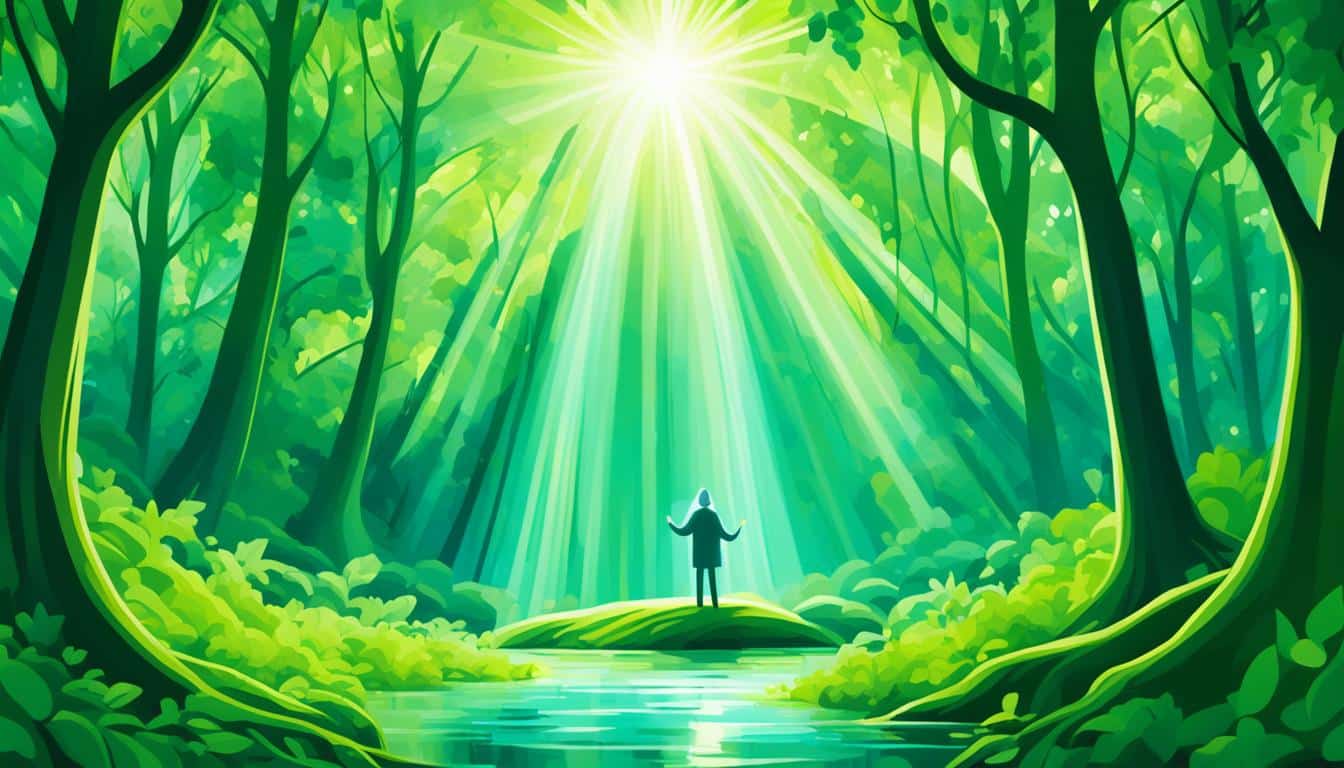
Dreams featuring the color green can hold various meanings, depending on the context and personal associations. When you dream of seeing a green field or forest, it may symbolize emotional and spiritual contentment, signaling that you are satisfied with your current state of affairs. Green is often associated with growth and renewal, embodying hope for a fresh start and personal development. However, to fully interpret the meaning of your dream, it is crucial to consider the specific elements and circumstances within it.
- Seeing green in a dream may represent:
- Emotional and spiritual contentment
- Hopes for growth and personal development
- New beginnings and fresh starts
- Connection with nature and the environment
- Balance and harmony in life
Green holds significant symbolic value in dream interpretation and represents various aspects of our lives. Whether it signifies renewal, personal growth, or a connection with the natural world relies on the unique circumstances of your dream and your own associations with the color green. By delving into the symbolism behind the color green in your dreams, you can gain deeper insights into your emotions, experiences, and subconscious mind.
The Spiritual Meaning of the Color Green
Green is deeply connected to spiritual health, growth, and balance. It is associated with the heart chakra, which signifies love, compassion, and healing.
As a symbol of the natural world and stability, green represents abundance, good fortune, and renewal. Archangel Raphael, known as the “Healer of God,” is closely linked with the color green and is invoked for healing and protection.
Green also embodies hope and a harmonious connection to nature, emphasizing the importance of staying grounded and aligned with the natural world.
Conclusion
Dream interpretation and analysis reveal the fascinating world of color symbolism, particularly the psychological meaning behind green dreams. Understanding the significance of the color green in our dreams can provide valuable insights into our emotions, experiences, and subconscious mind.
By delving into the interpretation of green dreams, we gain a deeper understanding of ourselves and the hidden aspects of our inner minds. Whether it represents growth, balance, hope, envy, or jealousy, the color green in dreams offers a window into our desires, fears, and aspirations.
Through dream analysis, we unlock the messages and emotions within our dreams. Identifying personal associations and considering the specific circumstances of the dream aid in unraveling the symbolic meanings. This self-reflection allows for personal growth and serves as a tool for self-discovery.
So pay attention to the vibrant hues that color your dreams, especially the significance of the color green. Embrace the opportunity to explore the psychological depths of your subconscious mind through dream interpretation and analysis. Your dreams hold the keys to unlocking the mysteries within.
FAQ
What does the color green mean in a dream?
The color green in a dream can carry various interpretations. It is commonly associated with growth, balance, and harmony. Green can symbolize new beginnings, growth, hope, as well as envy and jealousy. The meaning of seeing the color green in a dream depends on the context and the dreamer’s personal associations.
What does a dream of the color green mean?
A dream featuring the color green can have different meanings depending on the circumstances. It can represent emotional and spiritual contentment, indicating satisfaction with one’s current state. Green can also symbolize hope for a fresh start and personal growth. Fully interpreting the dream requires considering specific elements and context.
What is the spiritual meaning of the color green?
Green is deeply connected to spiritual health, growth, and balance. It signifies love, compassion, and healing, and is associated with the heart chakra. Green represents abundance, good fortune, and renewal. It embodies hope and a harmonious connection to nature, emphasizing the importance of staying grounded.
What does dreaming about the color green symbolize?
Dreaming about the color green can symbolize various things. It often represents growth, renewal, and personal development. Green dreams may indicate emotional and spiritual contentment, openness to personal growth, and the ability to achieve goals. The color green can also symbolize healing, the environment and nature, money and success, as well as envy and jealousy.
What is the significance of green dreams?
Green dreams provide valuable insight into emotions, experiences, and the subconscious mind. Understanding the psychological and symbolic meanings of the color green in dreams helps unravel deeper messages and emotions. Analyzing dreams and their colors leads to personal growth and self-reflection.