
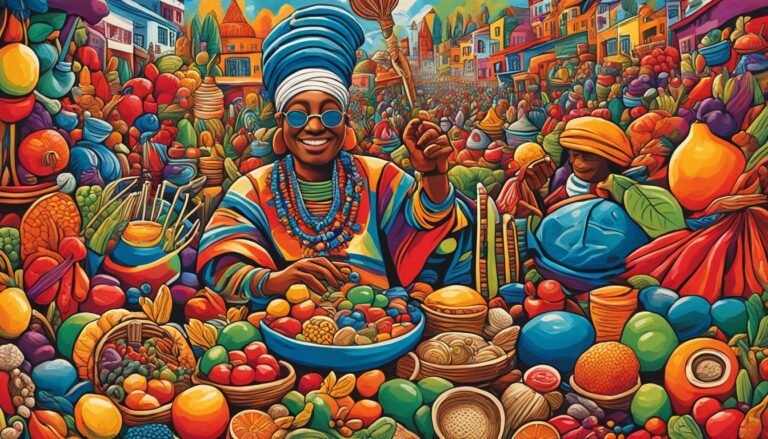
What Does It Mean to Dream of Elegua?
Quick answer
Dreaming of Elegua signals a crossroads is near — a moment where choice or transition is actively opening. In Yoruba and Afro-Caribbean traditions, Elegua is the orisha who controls all doorways and possibilities. His appearance means the dreamer stands at a threshold, and that movement is available to them now.
Had a different dream? Describe it and get a reading.
Interpret my dream →Why This Dream Sticks
Elegua does not appear the way an ordinary dream figure does. Most people report a feeling of charged attention — as if whoever appeared was watching them back with unusual awareness. That quality of mutual recognition is what makes the dream linger into the day.
Dreams of liminal figures tend to surface during genuine transitions: job changes, relationship shifts, spiritual questioning, or any moment when the next step is unclear. The unconscious reaches for a symbol that matches the situation, and Elegua — keeper of roads, opener of paths — maps precisely onto that territory. The interpret section of this site explores how trickster and guardian archetypes recur across unrelated cultures for similar reasons.
The dream also sticks because Elegua often appears as a child, an old man, or alternates between both. That fluidity is disorienting in a way that lodges in memory. It reflects his nature as a figure who exists outside fixed age and time — which is exactly what a crossroads is.
What the Common Variations Mean
| Dream Variation | Core Reading |
|---|---|
| Elegua appears as a laughing child | A playful opportunity is being overlooked. The dream urges lighter engagement with a problem being taken too seriously. |
| Elegua appears as a very old man at a crossroads | A postponed decision is now urgent. Wisdom is already available; waiting longer does not improve the situation. |
| He blocks a doorway or road | Not a warning of danger — a prompt to pause. Something about the current plan needs reconsideration before moving forward. |
| He opens a gate or clears a path | Permission and momentum are present. This variation often appears for dreamers who have been hesitating; the obstacle they feared is not actually there. |
| He offers candy, rum, or tobacco | An exchange is called for. Something in waking life requires giving before receiving — an apology owed, a relationship needing investment, or an offering of honesty. |
| He speaks directly to the dreamer | Pay close attention to the exact words, even if they seemed nonsensical. Messages from liminal figures frequently carry literal instruction that becomes clearer within a few days. |
| His colors — red and black — are vivid or emphasized | Duality is the message: two things the dreamer thought were opposites can coexist. A false binary in waking life needs to be released. |
| Elegua at a three-way intersection specifically | More than two options exist in a situation the dreamer believes has only one or two. The dream points toward an unconsidered third path. |
What This Dream Is Not
This dream is not a sign of danger, curse, or malevolent interference. Elegua is a guardian and a trickster, but trickster energy in dreams is corrective rather than harmful — it disrupts comfortable but unproductive patterns. Interpreting his appearance as a bad omen typically reflects cultural unfamiliarity with the figure, not anything present in the dream itself.
It is also not automatically a religious calling. Dreams draw on available cultural symbols the way they draw on anything else in memory or exposure. A person who has encountered Elegua through music, art, or a single conversation can dream of him without initiatory significance. One dream is a symbol; a recurring pattern alongside waking synchronicities is a different conversation.
Nothing here is medical or psychiatric information. If dreams are causing significant distress or disrupting sleep, a qualified mental health professional is the appropriate resource.
A Short Practice
Within twenty-four hours of this dream, find an actual crossroads — even a simple intersection — and stand at it for a few minutes without an agenda. No phone. No destination yet decided. Let the question the dream raised surface on its own. The answer often arrives not during formal reflection but in this kind of quiet, purposeful pause.
The dreams library has a guide on active engagement techniques — ways of returning to a dream intentionally rather than waiting for it to return to you.
The related guides What It Means to Dream of a Crossroads and Dreaming of Doors and Gates cover adjacent threshold symbolism in more detail.
FAQ
Does dreaming of Elegua mean I am being called to Santería or Lucumí practice?
Not necessarily. Dreams use the symbolic material available to the dreamer’s mind. An Elegua dream is meaningful as a psychological and spiritual symbol regardless of tradition, but it does not automatically indicate a religious calling. That determination involves a sustained pattern of experience and conversation with a knowledgeable elder or priest — not a single dream reading.
Is it significant that I have never studied Yoruba tradition but still dreamed of Elegua?
Yes, and it points to how widely this imagery has traveled through music, visual art, literature, and popular culture. You may have absorbed the symbol without registering it consciously. The meaning does not require initiation to be real — the crossroads symbolism translates across that boundary because the underlying human experience of choice and transition is universal.
What if Elegua appeared frightening or threatening in the dream?
The emotional tone matters as much as the figure’s identity. A frightening appearance often means the dreamer is resisting the transition the dream represents — the fear belongs to the avoidance, not to Elegua himself. It can also reflect simple unfamiliarity with the figure, which generates unease because the symbol is unrecognized. Revisit what specific change or decision the dream seemed oriented around; the fear usually points directly at it. For more on unsettling dream figures, see the interpretation guide on shadow and guardian symbols.
Author

Before you read a fixed meaning, ask:
What happened — the central image or event, in one plain sentence.
How it happened — calm or violent, easy or forced, sudden or slow.
Who was watching — alone, one person, or a crowd.
Those three usually matter more than the symbol name alone.
Meanings reflect widely shared symbolism; your own context comes first.
Explore the next dream



Dreams are not medical, legal, or financial advice. The Dream Symbolist offers symbolic interpretation to support reflection, not diagnosis.