

What Does It Mean When You Dream Your Child Dies?
Dreaming of your child dying can be a distressing experience that leaves you feeling worried and unsettled. But what do these dreams really mean? Is there a hidden message behind them? Let’s explore the interpretation of dreams about a child’s death and uncover the symbolic meanings they carry.
It’s important to note that dreams about your child dying rarely represent their literal death. Instead, they often serve as metaphors or symbols for deeper emotions and experiences. These dreams can provide valuable insights into your thoughts, emotions, and concerns surrounding your child and your own personal growth.
Whether you dream of a son or daughter dying, it’s crucial to remember that these dreams are not a prophecy, but rather your mind’s way of expressing and processing various aspects of your life. By understanding the meanings behind these dreams, you can gain clarity and embark on a journey of healing and personal development.
Key Takeaways:
- Dreams about your child dying are rarely literal and often represent symbolic meanings.
- These dreams can provide insight into your thoughts, emotions, and concerns surrounding your child and your own personal growth.
- Interpretations of dreams about a child’s death can vary depending on spiritual, biblical, and psychological perspectives.
- Understanding the meanings behind these dreams can bring clarity and opportunities for healing and personal growth.
The Spiritual Meaning of Dreaming of Losing a Child
From a spiritual perspective, dreaming of a child dying can carry deeper meanings. These dreams go beyond their literal interpretation and serve as symbolic messages. They may indicate a lesson in understanding detachment or the impermanence of earthly attachments, inviting you to let go of unhealthy attachments and embrace change.
When you dream of losing a child, it can encourage inner development and spiritual growth. The deceased child in the dream may represent past wounds or trauma that need healing. Your subconscious mind is bringing these experiences to the surface, urging you to address them and find closure. In this way, these dreams offer an opportunity for spiritual transformation.
Additionally, dreaming of a child dying can suggest that you are receiving guidance from spiritual guides or guardian angels. They are with you on your journey, providing support and protection. The dream serves as a reminder that you are not alone and that there are higher forces at play in your life.
The Biblical Meaning of Dreaming of Losing a Child
In Christianity, dreams of a child dying hold significant symbolism, representing deep-seated emotional issues that may need attention. These dreams might reflect past trauma or unresolved emotional baggage that is yet to be addressed. They serve as a wake-up call, urging you to seek professional help and embark on a healing journey to overcome these emotional challenges that hinder personal growth and success in life.
The biblical interpretation emphasizes the importance of facing and conquering emotional problems rather than suppressing them. By acknowledging and addressing these issues head-on, you have the potential to find healing, growth, and transformation in your life.

What Does It Mean to Dream of Your Child Dying?
Dreaming of your child dying can be a deeply distressing experience. However, it’s important to understand that these dreams rarely represent their literal meaning. Instead, they offer insight into your subconscious thoughts, emotions, and expectations surrounding your child.
These dreams may reflect struggles or insecurities in your own life, such as feelings of loss or independence. They can also symbolize the protective nature of a parent’s mind, where the fear of harm to your child manifests in the dream world.
By analyzing these dreams, you can gain a deeper understanding of your relationship with your child and identify areas where you may need to improve. It’s important to remember that dreams are complex and subjective, so what this symbolizes for one person may differ from another.
Exploring the psychological interpretation of dreaming about child death can provide valuable insights into your own emotions and experiences. These dreams may serve as a catalyst for personal growth and self-reflection. They offer an opportunity to delve into your fears, anxieties, and hopes surrounding your child’s well-being and your role as a parent.
Common Scenarios Related to Dreams of Child Dying
When it comes to dreams of a child dying, there are several common scenarios that can provide insight into the specific meanings behind these dreams. By understanding these scenarios, you can interpret the symbolism and messages behind your dream more accurately.
- Worrying about your child’s development: Dreams of a child dying may stem from concerns or anxieties about your child’s well-being and growth. These dreams might reflect your desire to protect and nurture them, or they could highlight areas of potential improvement or support.
- Experiencing a loss of innocence: Dreams of a child dying can also signify a loss of innocence, both for your child and yourself. This scenario might reflect the challenges of navigating life’s complexities and the inevitable transition from childhood to adulthood.
- Approaching an important milestone in life: Dreams of a child dying can coincide with significant life events or milestones. These dreams may symbolize the end of one phase and the beginning of another, highlighting the process of growth, transformation, and the passage of time.
- The death of your inner child: Dreams of a child dying can represent the death of your own inner child or suppressed emotions and desires. This scenario might suggest a need for self-reflection, healing, and reconnecting with your authentic self.
- A weakened bond with your child: Dreams of a child dying might indicate a strained or weakened relationship with your child. These dreams can serve as a reminder to pay attention to the bond between you and your child, fostering a deeper connection and understanding.
By recognizing these common scenarios related to dreams of a child dying, you can gain a better understanding of the specific messages and meanings behind your dream. Exploring your emotions and experiences within these scenarios can guide you towards personal growth, improved relationships, and a deeper connection with your child.
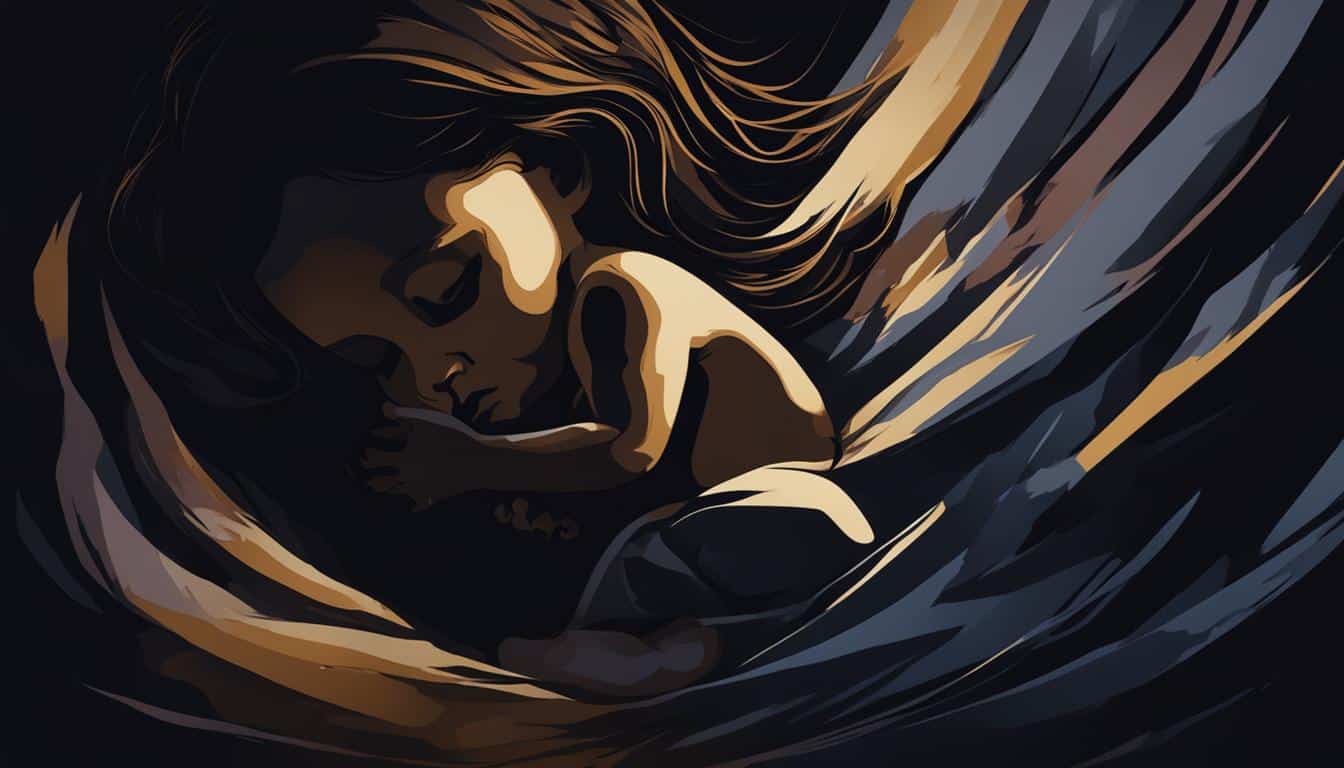
Dreams About Specific Genders
When it comes to dreaming of your child dying, the gender of the child can play a significant role in the interpretation. Dreams of a son dying can symbolize a loss of control or regret over past actions. You may feel a sense of guilt or remorse regarding certain decisions you’ve made in the past. However, these dreams can also represent hope and the end of hardships. They may suggest that you are ready to let go of the past and embrace a brighter future.
On the other hand, dreams of a daughter dying can often signify drastic changes in your personal and professional life. These dreams may indicate that you are approaching significant transitions or milestones in your journey. It could be an indication of major shifts happening or about to happen. Such dreams may also highlight the need for self-evaluation and improvement. They might serve as a wake-up call to reflect on your choices and make positive changes in your life to pursue personal growth and fulfillment.
It’s important to note that dream interpretations can vary depending on individual experiences and beliefs. The specific meanings associated with dreaming of a son or daughter dying may differ for each person. These dreams often reflect deep-seated emotions, fears, and aspirations, so it is essential to consider your unique circumstances and feelings when trying to make sense of these dreams.
Remember, dreams are highly subjective experiences, and their true meanings may differ from person to person. While it can be unsettling to dream of your child dying, it’s essential to interpret these dreams in the context of your own life and emotions. If you find that these dreams are causing distress, seeking guidance from a professional dream analyst or therapist may provide valuable insights and support in processing your emotions.
Conclusion
Dreaming of a child dying can be a distressing experience, but it’s important to remember that these dreams rarely represent literal death. Instead, they hold symbolic meanings that offer insights into personal growth, life transitions, and the parent-child relationship. By exploring spiritual, biblical, and psychological interpretations, you can gain a deeper understanding of your emotions and experiences.
It’s crucial to recognize that dreams about child death are not omens or predictions. They serve as powerful metaphors for the challenges and changes we face in life. These dreams may reflect concerns about a child’s development, loss of innocence, or the need for spiritual growth and healing.
Understanding the true meanings behind these dreams can help bring clarity and provide opportunities for introspection, healing, and personal growth. Remember that dreams are a manifestation of your subconscious and can offer valuable insights into your thoughts and emotions. If these dreams continue to cause distress, it may be beneficial to seek guidance from a professional dream interpreter or therapist to further explore their significance.
FAQ
What does it mean when you dream your child dies?
Dreaming of a child dying rarely represents its literal meaning. Instead, it is often symbolic of change or transitions in life, reflecting worries about a child’s development or a loss of innocence.
What is the spiritual meaning of dreaming of losing a child?
From a spiritual perspective, dreaming of a child dying can indicate lessons in understanding detachment, the impermanence of earthly attachments, and serve as a call for inner development and spiritual growth.
What is the biblical meaning of dreaming of losing a child?
In Christianity, dreaming of the death of a child can symbolize deep-seated emotional issues that need to be addressed. It serves as a wake-up call to seek professional help and emphasizes the importance of facing and overcoming emotional problems.
What does it mean to dream of your child dying?
Dreaming of your child dying does not forecast their literal death, but rather represents your thoughts and emotions surrounding your child and your own personal growth. These dreams can symbolize struggles or insecurities in your life.
What are common scenarios related to dreams of child dying?
Common scenarios include worrying about your child’s development, experiencing a loss of innocence, approaching an important milestone in life, and the death of your inner child. These dreams may also signify a weakened bond with your child.
What does it mean to dream of a son or daughter dying?
Dreaming of a son dying can symbolize a loss of control or regret over past actions, whereas dreaming of a daughter dying can signify drastic changes in personal and professional life, and may indicate a need for self-evaluation and improvement.
Can dreams about a child dying be taken literally?
No, dreams of a child dying rarely represent literal death. They carry symbolic meanings related to personal growth, transitions in life, and the parent-child relationship. Understanding the meanings behind these dreams can provide opportunities for healing and personal growth.