
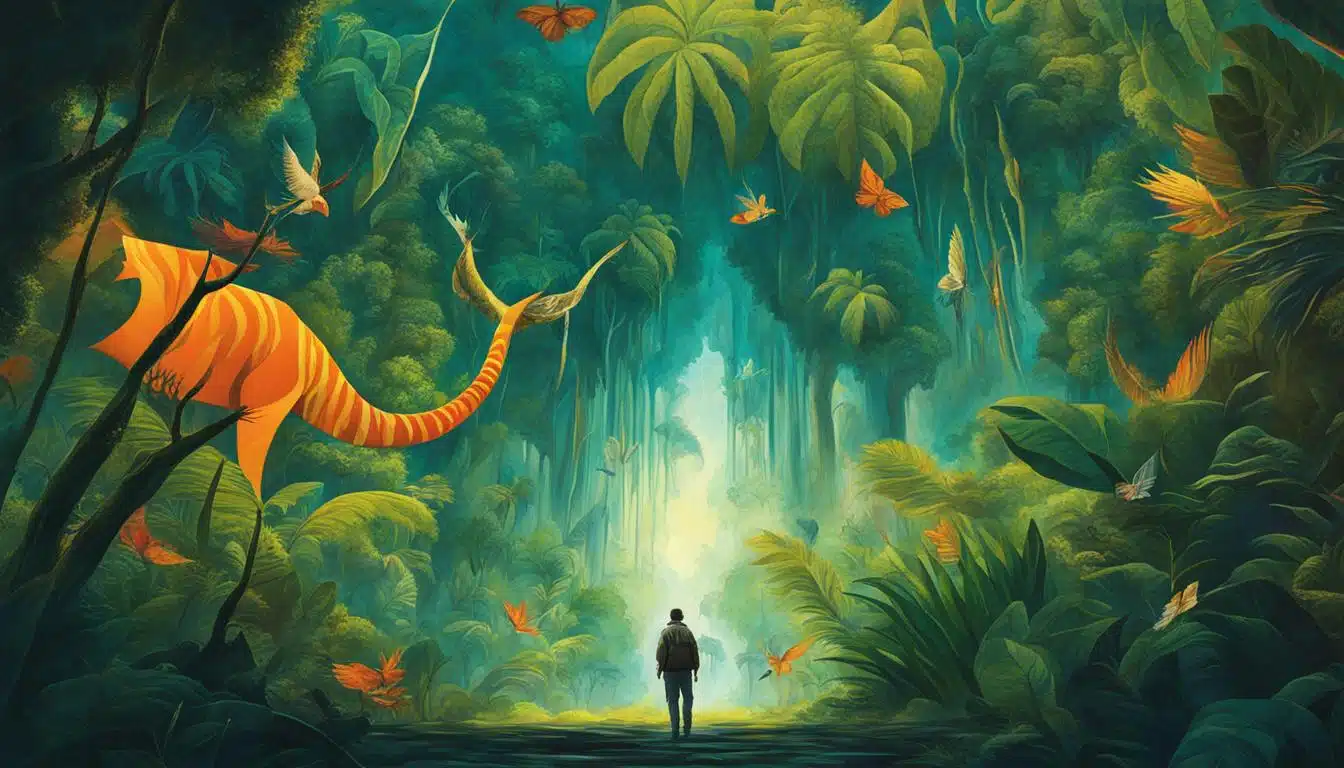
What Does it Mean When You Dream About Animals?
Quick answer
Dreams about animals almost always reflect instinct, emotion, or a part of yourself you have not fully acknowledged. The specific animal matters less than how it behaved and how you felt — a chasing bear means something different from a bear that sits beside you calmly. Read the animal's behavior first, then its species.
Had a different dream? Describe it and get a reading.
Interpret my dream →Why this dream sticks
Animals in dreams bypass the rational mind. Because they cannot speak or reason with you, your brain uses them to dramatize drives that are hard to put into words — hunger, fear, protectiveness, loyalty, wildness. When a dream animal feels vivid enough to linger into the morning, it usually means an instinct or emotion you have been suppressing is pressing for attention. The unconscious chose a creature rather than a person because a creature carries no social complexity: it just is what it is.
Animal dreams also tend to appear during transitions — a new job, a relationship shift, a period of physical stress — when the body’s older intelligence is trying to weigh in on what the waking mind is managing. If you are working through how to interpret recurring dreams, animal dreams are a good place to start because the imagery is usually direct and the emotional signal is strong.
What the common variations mean
| Dream variation | Core reading |
|---|---|
| Being chased by an animal | An emotion or impulse — often anger, grief, or desire — you are avoiding. The animal rarely catches you because avoidance is the point. Ask what you have been refusing to feel. |
| A friendly or calm wild animal | Growing comfort with an instinct you once found threatening. Often appears when therapy, journaling, or life experience has helped you make peace with a difficult part of yourself. |
| An animal attacking someone else | Projected aggression or protectiveness. You may be angrier at a situation than you are admitting, or you fear your own intensity will harm someone you care about. |
| A dying or injured animal | A neglected need or a quality in yourself — creativity, playfulness, physicality — that is being starved of attention. Something alive needs care. |
| Talking with an animal | Direct communication with instinct. Pay close attention to what was said. The message is usually something you already know but have not let yourself articulate. |
| A swarm or large group of animals | Overwhelm. The species colors the feeling — insects suggest anxiety, birds suggest scattered thoughts, wolves suggest social pressure. |
| A pet that has died | Grief that has not fully resolved, or a longing for unconditional connection. One of the most emotionally direct animal dreams; it usually means exactly what it feels like. |
| Transforming into an animal | Permission. You are exploring what it would feel like to drop a social role and act on instinct. Note which animal — its qualities are ones you are considering reclaiming. |
What this dream is not
Animal dreams are not prophecy. A snake does not predict a real threat; a black dog does not mean death is coming. Symbolic meaning comes from your emotional response and the animal’s behavior inside the dream, not from folklore or color alone.
They are also not a sign that something is wrong with you. Dreaming of predators, animals in pain, or aggression is common and does not reflect a dangerous character. The dream is a container for material the waking mind finds too raw to process directly — that is healthy function, not pathology. If recurring violent imagery concerns you, speak with a therapist. This article is not medical or psychological advice.
A short practice
- Write down the animal and three words describing how it acted in the dream — not what you know about the species, but what this animal did.
- Write those same three words as if they described a part of yourself or a situation in your life. Read the sentence aloud.
- Ask: where in the last two weeks have I felt that way, or avoided feeling that way?
- You do not need to resolve the answer. Acknowledging it is usually enough to stop the dream from repeating.
For a broader framework, see our guide to dream interpretation methods or the deeper reading in what being chased in a dream means.
FAQ
Does the color of the animal change the meaning?
Sometimes, but only if the color was striking enough that you noticed it inside the dream. A white deer that felt sacred is different from a white deer you barely registered. When color matters, it amplifies the animal’s emotional tone — a black wolf feels more ominous than a grey one, a red bird more urgent than a brown one. If the color did not stand out to you, do not reach for color symbolism; you are adding noise to the signal.
Why do I keep dreaming about the same animal?
Repetition means the message has not landed yet. Either the situation driving the dream has not changed, or you have not yet acknowledged what it is pointing at. Keep a brief log for two weeks — date, animal, what it did, how you felt on waking. Patterns in the surrounding entries usually reveal the life circumstance generating the imagery. You can also use the framework in our dream guide archive to cross-reference recurring themes.
What if the animal in my dream does not exist in real life?
Hybrid or invented creatures are common and worth treating seriously. Your mind assembled them from parts, which means each component carries meaning — a creature with a lion’s body and a bird’s wings combines power with the desire for escape or elevation. Sketch it if you can, then ask what quality each part represents. The combination is usually a precise portrait of a conflict you are holding: strength that feels caged, freedom that feels predatory, nurturing that has grown teeth.
Author

Explore the next dream


Dreams are not medical, legal, or financial advice. The Dream Symbolist offers symbolic interpretation to support reflection, not diagnosis.