Falling off a Cliff Dream: Meanings & Symbolism
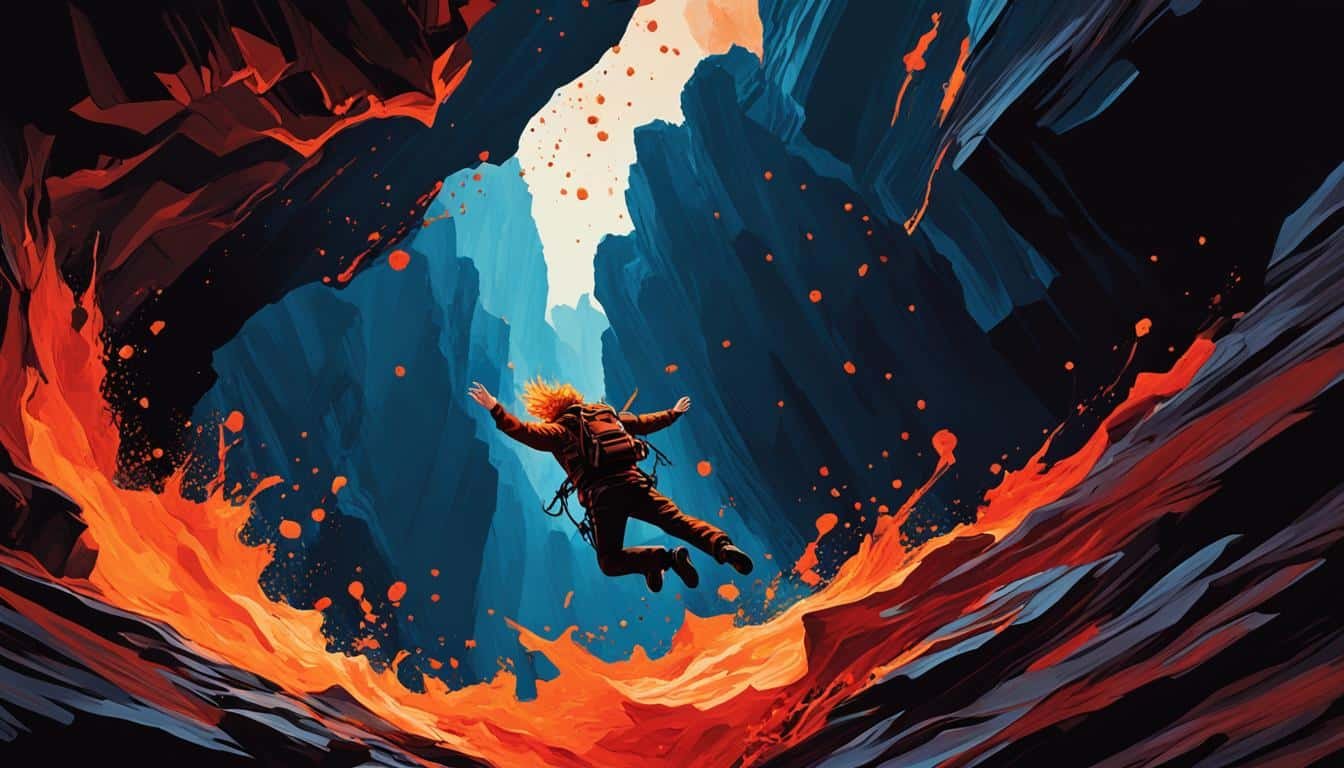
Have you ever had a dream where you’re falling off a cliff? It can be a terrifying experience, leaving you feeling anxious and fearful even after waking up. Dreams have long fascinated psychologists and spiritualists alike, and understanding their meanings and symbolism can provide valuable insights into our subconscious minds.
Dreaming about falling off a cliff is a common experience that often symbolizes something causing anxiety or fear in your waking life. It can represent feeling overwhelmed, out of control, or in over your depth. The dream may also serve as a warning, urging you to pay attention to what is happening around you.
Different variations of this dream can have different interpretations. For example, saving yourself or someone else from falling off a cliff may represent your ability to overcome difficult situations in real life. On the other hand, feeling helpless in the dream may indicate a sense of helplessness in a particular situation. Seeing a child or your partner falling off a cliff in the dream could symbolize anxieties about their safety or the state of your relationship.
In Islam, falling off a cliff in a dream is often associated with fears of death or sudden changes and upheaval in one’s life. It’s essential to remember that dream interpretations can vary depending on cultural and personal beliefs.
Cliffs hold various symbolic meanings and spiritual interpretations. They can represent strength, power, and perseverance. Falling off a cliff in a dream can symbolize the need for change or new beginnings in life, as well as facing and overcoming fears. It may also reflect the fear of failure or feeling like you’re falling short in certain areas of your life.
Exploring the symbolism and psychology behind falling off a cliff dreams can serve as an opportunity for introspection and personal growth. By understanding the emotions and fears represented in your dreams, you can navigate life’s challenges with greater clarity and purpose.
Key Takeaways:
- Falling off a cliff dream symbolizes anxiety or fear in your waking life.
- It can represent feeling overwhelmed, out of control, or in over your depth.
- Consider the specific details of the dream to gain further insight into its interpretation.
- Dreams of falling off a cliff may serve as warnings or opportunities for personal growth.
- Cliffs have symbolic meanings related to strength, power, and facing fears.
Interpreting Dreams about Falling from a Cliff
Have you ever experienced a falling-from-a-cliff dream that left you feeling overwhelmed and out of control? Dreaming about falling off a cliff often symbolizes anxiety or fear caused by something in your life that feels unmanageable or overwhelming. It can feel like a warning sign, urging you to pay attention to your surroundings and the challenges you’re facing.
These dreams may also reflect feelings of being overwhelmed or worried about an upcoming event, such as a job interview or test. The fear of failure and the pressure to succeed can manifest in subconscious dreams of falling from a cliff. Your mind may be processing the stress and anxiety you’re feeling by creating vivid and intense dream scenarios.
The interpretation of these dreams can vary depending on the specific details and your personal circumstances. It’s essential to consider the unique elements of the dream, such as who else is present, the emotions you experience, and any actions you take to save yourself or others from falling off the cliff.
Remember, dreams are highly subjective, and their meanings can be open to interpretation. While falling from a cliff dream may indicate feelings of being overwhelmed or out of control, consulting with a professional dream analyst or therapist can provide additional insights tailored to your specific experiences and concerns.
Understanding the symbolism of falling from a cliff dreams can empower you to navigate your waking life with a greater sense of self-awareness and control. It’s important to recognize that dreams serve as a reflection of our subconscious and can provide valuable insights into our emotions, fears, and the need for change.
Different Interpretations of Falling off a Cliff Dream
Depending on the specific details of the dream, there are various interpretations for falling off a cliff in a dream. Let’s explore some of these interpretations:
Saving Yourself from Falling off a Cliff
Dreaming about saving yourself from falling off a cliff often symbolizes your ability to overcome difficult situations in real life. It reflects your resilience and inner strength to face challenges head-on.
Feeling Helpless in a Situation
If you dream of feeling helpless while falling off a cliff, it may indicate a sense of helplessness in a particular situation. It could be a reflection of your perceived lack of control or agency in that aspect of your life.
A Child Falling off a Cliff Dream
Seeing a child falling off a cliff in your dream can evoke strong emotions and symbolize anxiety about the well-being of your child or your parenting abilities. It may indicate a need to protect and nurture your child.
A Partner Falling off a Cliff Dream
Dreaming of your partner falling off a cliff can reflect dissatisfaction or problems in the relationship. It could be a manifestation of concerns or conflicts that you need to address and resolve together.
A Car Falling off a Cliff Dream
If you dream of a car falling off a cliff, it may symbolize your fear of embarrassment or failure in a specific area of your life. It could indicate a need to reassess your goals or take precautions to avoid potential pitfalls.
A Bicycle Falling off a Cliff Dream
Dreams of a bicycle falling off a cliff may signify a period of anxiety and stress. It could represent a sense of bad luck or an overwhelming feeling of uncertainty. Consider finding ways to manage stress and regain control over your life.

Conclusion
Dreams about falling off a cliff offer valuable insight into our emotions, fears, and the need for change. The interpretation of these dreams varies depending on the specific details and individual circumstances. However, they commonly symbolize anxiety, fear, feeling overwhelmed, or out of control in our waking lives.
When we experience falling off a cliff in our dreams, it is essential to consider the unique details and how they relate to our personal experiences and challenges. These dreams can serve as warning signs, urging us to pay attention to what is happening around us or within ourselves. They can also present an opportunity for introspection and personal growth.
By exploring the symbolism and psychology behind falling off a cliff dreams, we can gain a deeper understanding of ourselves. These dreams often reflect the anxieties and fears that we carry and provide a platform for confronting and overcoming them. They can highlight the need for change or transformation, pushing us out of our comfort zones and towards a path of self-discovery.
Understanding the significance of falling off a cliff dreams empowers us to navigate through challenging situations in our waking lives. By recognizing our emotions, fears, and the need for change, we can take proactive steps towards personal growth, resilience, and finding our balance in an ever-evolving world.
FAQ
What does it mean to dream about falling off a cliff?
Dreaming about falling off a cliff usually symbolizes something that is causing anxiety or fear in one’s waking life. It can represent feeling overwhelmed, out of control, or in over one’s depth. The dream may also serve as a warning to pay attention to what is happening around you.
How can I interpret dreams about falling from a cliff?
Falling from a cliff in a dream often symbolizes anxiety or fear caused by something in one’s life that feels out of control or overwhelming. It can also be a warning to pay attention to one’s surroundings. The dream may also reflect feeling overwhelmed or worried about an upcoming event, such as a job interview or test.
Are there different interpretations for falling off a cliff in a dream?
Depending on the specific details of the dream, there are various interpretations for falling off a cliff in a dream. Saving yourself or someone else from falling off a cliff often represents the ability to overcome difficult situations in real life. Feeling helpless in the dream may indicate a sense of helplessness in a particular situation. Dreaming of a partner or child falling off a cliff may reflect relationship issues or parenting anxieties.
What is the symbolism and spiritual interpretation of falling off a cliff in dreams?
Cliffs have various symbolic meanings and spiritual interpretations. They can represent strength, power, and perseverance. Falling off a cliff in a dream can symbolize the need for change or new beginnings in life, as well as facing and overcoming fears. It may also be associated with feelings of losing oneself or breaking societal rules. Cliffs can also symbolize finding one’s place in the world and the need to balance emotions.
How can I understand the meaning of falling off a cliff dreams?
Dreams about falling off a cliff can have various meanings and interpretations depending on the specific details and individual circumstances. They often symbolize anxiety, fear, feeling overwhelmed, or out of control in one’s waking life. The dream may also serve as a warning or an opportunity for introspection and personal growth. Exploring the symbolism and psychology behind falling off a cliff dreams can provide insight into one’s emotions, fears, and the need for change.