Eight of Swords Tarot Card Meaning
A blindfolded figure stands bound among eight swords. The Eight of Swords invites compassion, clearer information, and careful attention to real limits.
- restriction
- feeling trapped
- uncertainty
- limited options
- agency
Card at a glance
- Number
- Eight
- Element
- Air
- Astrology
- Lord of Shortened Force; Jupiter in Gemini (Golden Dawn)
- Keywords
- restriction, feeling trapped, uncertainty, limited options, agency, support
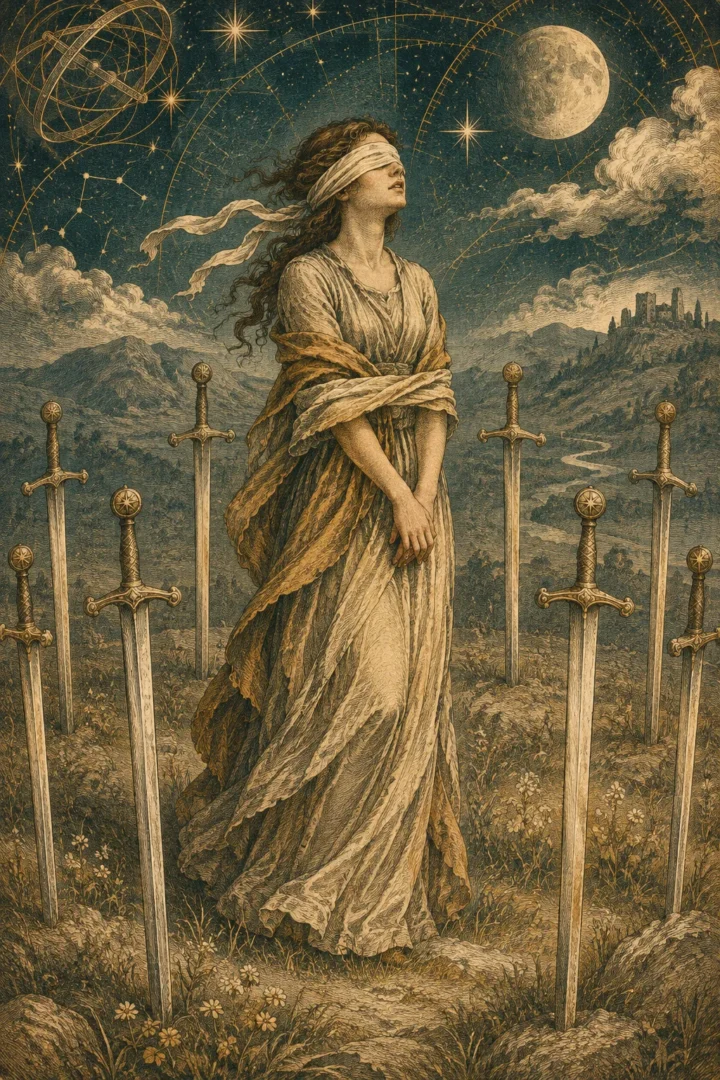 Eight · Eight of Swords
Upright meaning
restriction, feeling trapped, limited perspective
Upright, the Eight of Swords can mirror a sense of confinement, limited choices, or difficulty seeing a safe way forward.
- restriction
- feeling trapped
- limited perspective
Reversed meaning
reconsidering limits, seeking help, gradual release
Reversed, the Eight may describe finding support, seeing an overlooked option, or recognizing that a restriction remains real and needs a practical response.
- reconsidering limits
- seeking help
- gradual release
Card symbolism
-
The blindfolded bound figure
The person cannot see freely and has hands secured, making constraint explicit rather than merely imagined.
-
Eight swords in the ground
The blades form an uneven enclosure around the figure, emphasizing the relationship between barriers and movement.
-
The distant castle and wet earth
A settlement appears behind while water gathers at the figure's feet, suggesting an environment with obstacles and possible destinations.
In depth interpretation
A person stands blindfolded among eight swords. Cloth binds their arms, and the ground around their feet looks wet. A castle sits at a distance. There are gaps between some blades, yet the bindings are real.
The Eight of Swords represents restriction, feeling trapped, limited perspective, fear, and the difficult search for agency. Upright, it asks what constrains you and what support or information might help. Reversed, it can suggest finding an opening, while also reminding you that a constraint does not disappear simply because you think differently.
This card deserves tenderness. Being unable to see a way out is not a failure of character.
The spiritual meaning: knowing the difference between fear and danger
It is common to hear that the Eight of Swords is about a prison of your own making. Sometimes anxious assumptions do narrow our choices. Yet Smith’s figure is visibly tied and blindfolded. That distinction matters.
A person may feel trapped by circumstances they did not create: money, disability, caregiving responsibilities, an unsafe relationship, or limited access to help. The card should never be used to blame them.
The spiritual work here is honest attention. Name the barriers without minimizing them. Then look for the people, information, and practical steps that could expand your choices.
Courage need not look like an immediate escape. It might begin with asking one trustworthy person for assistance.
What the Eight of Swords symbols reveal
The blindfold and bindings
The figure’s eyes are covered, and cloth holds the arms close. These are concrete obstacles. In a reading, the blindfold may also suggest incomplete information or difficulty imagining alternatives.
Ask what you have been prevented from knowing and what you have not yet had a chance to investigate. Avoid assuming that the answer is obvious from the outside.
Eight swords forming a loose barrier
The swords stand in the earth at different positions. Some spaces appear open, although we cannot assume a bound person can move through them safely.
The image encourages exploration rather than simplistic advice. An apparent opportunity is only useful when it is accessible in the person’s actual life.
The castle, water, and ground
A settlement stands behind the figure. Shallow water surrounds the foreground. The scene places confinement within a wider environment rather than a blank mental space.
You might ask what institutions, relationships, or resources form the background of your dilemma. Which of them could help, and which need to be approached cautiously?
Eight of Swords upright: a choice that feels unavailable
Upright, the card can reflect feeling pinned down by circumstances or by the story you have come to believe about them. Sometimes a problem is practically constrained; sometimes uncertainty makes an option feel more dangerous than it is. Often both are present.
Imagine caring for a relative while holding a demanding job. You are exhausted and feel there is no room to change anything. Someone suggests simply taking a holiday, but your responsibilities are more complicated. The Eight asks for a real assessment of support, leave arrangements, and who could share the load.
The card is useful when it guides you toward specific information. What choices are genuinely closed? Which ones depend on asking a question you have not yet asked?
Treat your limits as worthy of respect, including limits that other people cannot see.
Eight of Swords reversed: possibilities and practical release
Reversed, the card may indicate a change in perspective or a real opening. You could discover a resource, receive help, or begin questioning a belief that has made everything seem impossible.
It might also signal distress about constraints that remain in place. A reversed Eight is not a guarantee that circumstances will improve quickly.
Waite called the pictured confinement temporary rather than irretrievable, but his reversed meanings were far from uniformly optimistic. Modern release-oriented readings are best treated as an invitation to investigate possibility.
If the situation concerns abuse, debt, employment rights, or another serious risk, use appropriate services and informed advice. The image cannot replace them.
How to read the Eight when the barriers are real
Imagine asking about a career move while caring for someone who relies on you. In an obstacle position, the Eight of Swords might point to limited time, finances, or access to support. Telling yourself to think positively would leave those barriers untouched. The useful reading asks which condition could change and who might help.
Next to the Page of Pentacles, the Eight may encourage research into training, grants, or a more flexible arrangement. Next to the Nine of Swords, notice how the actual constraints interact with exhausting worry. You can make a sound plan for the first without blaming yourself for the second.
An advice position may invite gathering trustworthy information or asking for assistance. In an outcome position, the Eight suggests that meaningful limitations need attention before the path becomes more open. Tarot cannot tell you whether a particular resource exists; checking with the relevant people and services can.
Eight of Swords in love and relationships
In a relationship, the Eight can reflect feeling unable to speak freely, fear of conflict, or uncertainty about your available choices. Sometimes the obstacle is an internal fear; sometimes another person’s behavior has made conversation unsafe.
Do not tell yourself that a troubling dynamic exists only in your mind. Pay attention to concrete patterns, support networks, and your safety.
If you are single, the card may relate to beliefs that have narrowed your willingness to meet others. You can examine them at your own pace.
A feelings position might suggest guardedness or anxiety as a theme, but it cannot reveal another person’s secret emotions. The Two of Swords shows a different relationship with restriction: a deliberate held position rather than visible binding.
Career, money, and the pressure of limited choices
At work, the Eight can point to unclear roles, unmanageable obligations, or feeling that every option carries a penalty. Gather information before deciding that no alternative exists.
With money, it may reflect real constraints. A realistic budget, credible advice, and a stepwise plan often matter more than optimistic assurances.
Reversed, review the first small action that would increase your room to maneuver. It may be as practical as an application, a meeting, or asking about a benefit you did not know existed.
Worked reading: how can I create more room to choose?
Imagine you want to pursue training but feel tied to your current schedule. You draw the Eight of Swords for the obstacle, Page of Pentacles for the resource, and Strength for the approach.
The Eight recognizes the pressure of time and obligations. The Page of Pentacles asks you to research specific courses, costs, and flexible schedules. Strength suggests patience and steady courage rather than a dramatic leap.
Together, the cards support investigating part-time options or asking for predictable time off. If no workable option exists today, that information matters. You can return to the question when circumstances change.
If The Tower appeared instead of the Page, the reading would need to account for instability and the importance of safety. Context changes the application.
Shortened Force in the Golden Dawn
The Golden Dawn calls the Eight of Swords the Lord of Shortened Force and associates it with Jupiter in Gemini. The title describes power that is restricted or unable to express itself fully.
Smith shows that constraint through bindings and swords in the ground. Waite stressed temporary confinement in the picture. Modern readings often focus on mental limitation, but the visible bindings remind us to consider external realities too.
Eight of Swords as advice: map the real boundaries
Draw three circles on a page. In the first, write what is outside your control. In the second, write what you might influence with help. In the third, write one action available now.
If the third circle is small, let it be small. A truthful map is more useful than a demand to feel fearless.
Frequently asked questions
Is the Eight of Swords a yes or no card?
It often suggests that the conditions are too constrained for an easy yes. Ask what would need to change to make the decision safe and workable. Reversed, an option may be opening, but check the details.
Does the Eight of Swords mean I am trapped by my own thoughts?
Sometimes beliefs narrow the options you can see. The card also depicts real restrictions, and it should not be used to blame someone for difficult circumstances.
Does reversed mean freedom?
It may symbolize progress toward greater freedom or a change in understanding. It does not guarantee a quick solution.
Is the Eight of Swords about anxiety?
Anxiety is one possible theme, but tarot cannot diagnose a condition. Persistent distress deserves appropriate support and care.
How is it different from the Nine of Swords?
The Eight emphasizes restriction and available choices. The Nine of Swords centers on the private experience of worry and anguish, especially when the mind will not rest.
Tradition note: This article interprets Pamela Colman Smith’s bound figure through Waite’s account and the Golden Dawn title Shortened Force. Modern language about limited beliefs is useful only when it does not erase real-world constraints.

Keep reading
Explore the Swords
Every card page names the tradition behind each meaning, so you can compare readings instead of taking one as fixed.
Cards to explore alongside this one
Their symbols reveal useful similarities and differences for your next reading.
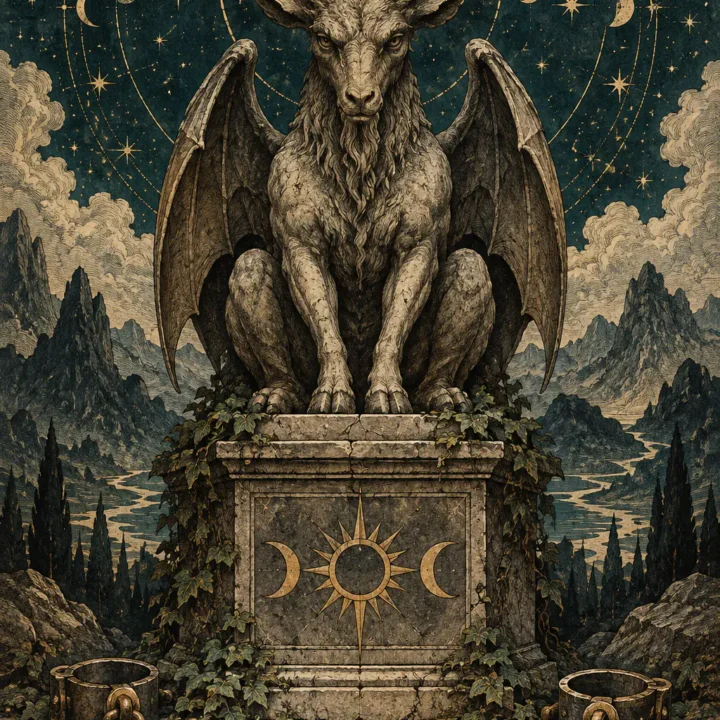
The Devil
attachment, temptation, compulsion, power
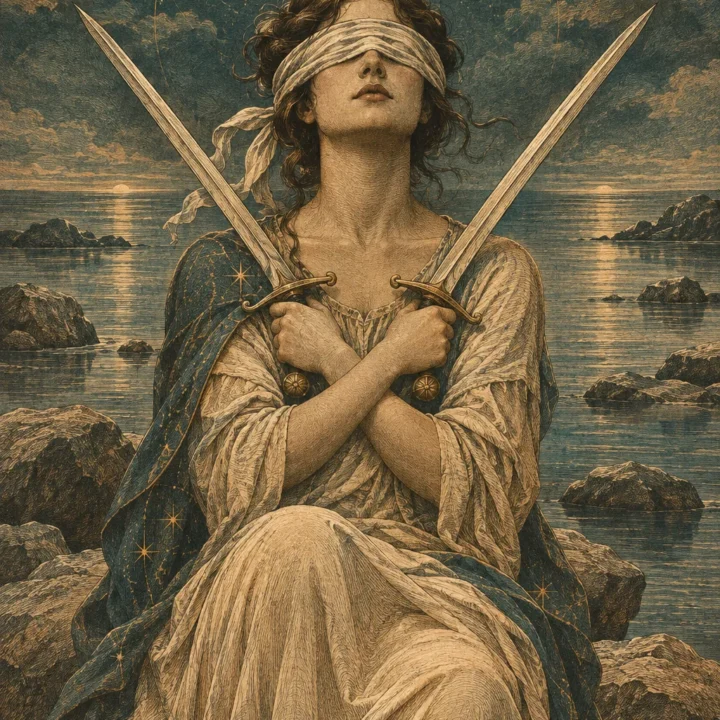
Two of Swords
indecision, guarded peace, boundaries, suspended choice
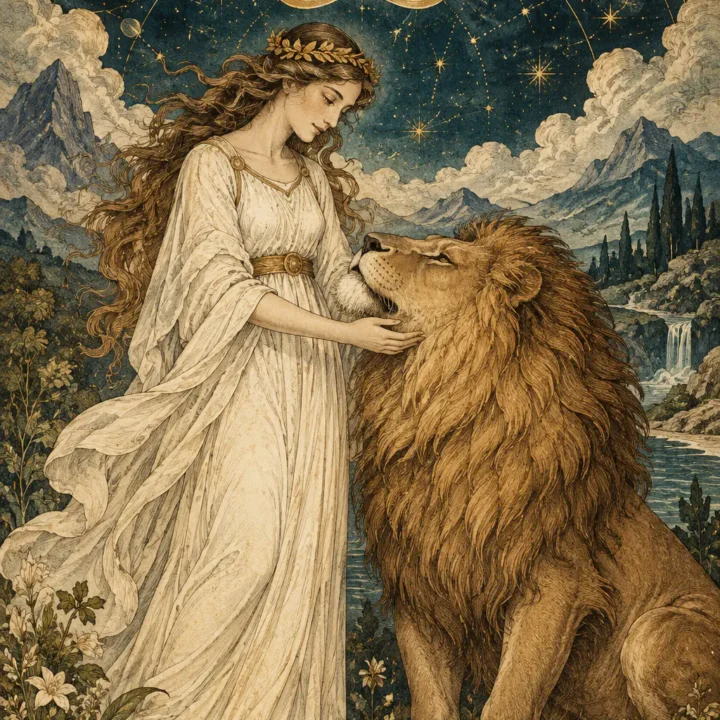
Strength
courage, compassion, patience, steadiness

Nine of Swords
worry, sleeplessness, guilt, painful thoughts
Sources and further reading
- A. E. Waite, The Pictorial Key to the Tarot, Part III (Swords, Eight of Swords) Read the text
- Golden Dawn, Book T, tarot titles, attributions, and card descriptions Read the text
- The Morgan Library & Museum, Pamela Colman Smith and her tarot art Read the text
- Victoria and Albert Museum, A History of Tarot Cards Read the text