What Does It Mean When You Dream About Skunks?
Have you ever had a dream about skunks? Dreaming about skunks can be intriguing and mysterious, but what do these dreams actually mean? The interpretation of skunk dreams can vary depending on the context and details of the dream. Let’s delve into the possible meanings behind dreaming about skunks and explore the symbolism they hold.
Key Takeaways:
- Dreaming about skunks can have various interpretations depending on the context of the dream.
- Skunk dreams may symbolize reflection, the need for assertiveness, confrontation of repressed emotions, or the start of a new phase in your life.
- Paying attention to the specific details and emotions associated with the dream can provide valuable insights into your subconscious thoughts and emotions.
- Common skunk dream symbols include spiritual reflection, suppressed anger, self-defense, caution about two-faced individuals, closure of a phase, and tranquility.
- Overall, skunk dreams encourage self-reflection, emotional honesty, and the need to navigate challenges with confidence.
Spiritual Interpretation of Dreaming of a Skunk
The symbolism of skunks in dreams holds significant meaning in the spiritual realm. When you dream of a skunk, it is believed to be a reflection of suppressed negative emotions, particularly anger, that you have been holding inside. This dream serves as a gentle nudge, urging you to express your true feelings before they accumulate and potentially cause harm.
The skunk’s appearance in your dream may also indicate that you have unknowingly been pushing people away or driving them off due to these pent-up emotions. It’s important to take this opportunity to reevaluate your relationships and work towards building stronger connections with your loved ones.
Dream Interpretation of a Skunk That Is Attacking You
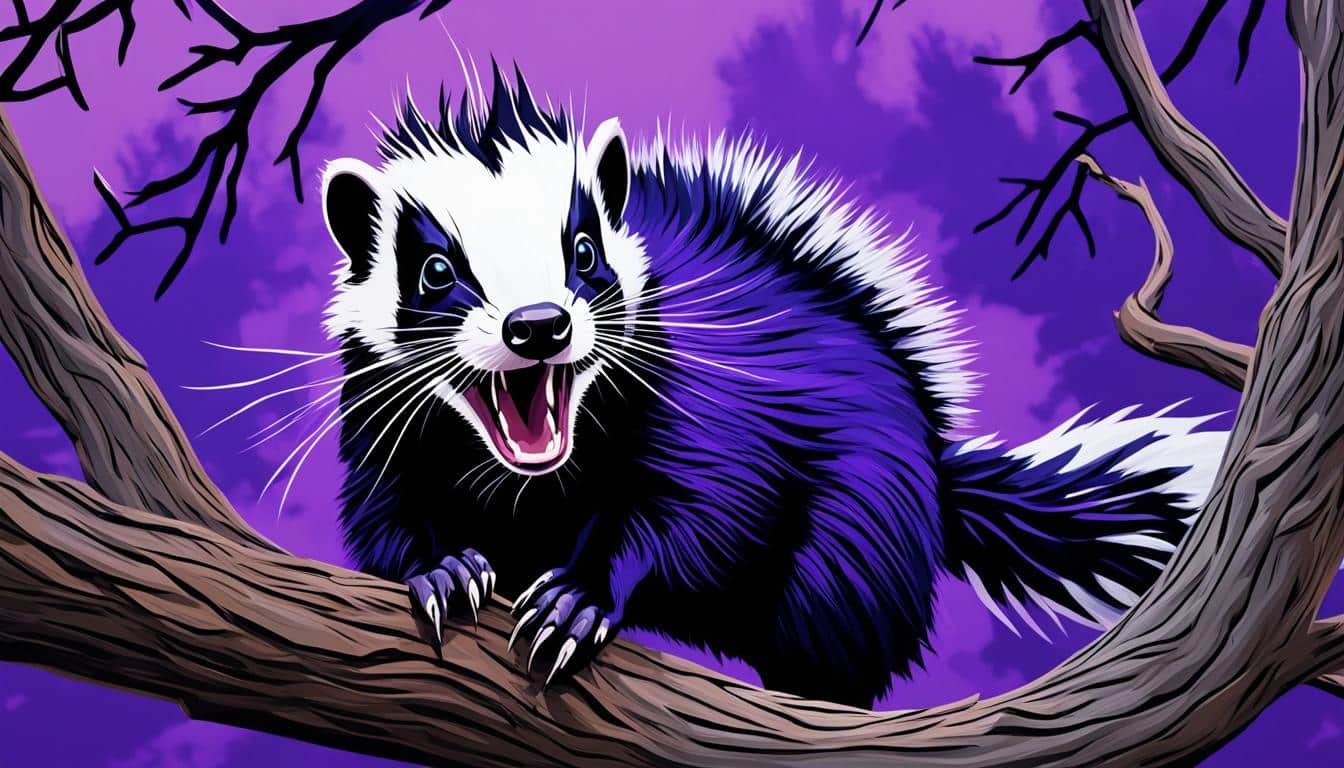
If you dream of a skunk attacking you, it is a sign to be cautious of two-faced people in your life who may have ill intentions. This dream prompts you to protect yourself from their negative actions and emotional fallout. It also suggests reevaluating your relationships with friends and family to identify potential betrayals and surround yourself with those who genuinely support and care for you.
Dream Interpretation of a Dead Skunk
Dreaming of a dead skunk signifies the end of a certain phase or cycle in your life. Although it may be initially challenging and painful, it is a necessary closure for new beginnings and growth. Don’t worry about the end, as it will be followed by the start of something new, allowing you to move forward.
When you dream about a dead skunk, it symbolizes the completion of a significant chapter in your life. This dream indicates that a particular phase or cycle has come to an end, whether it’s a relationship, job, or personal endeavor. It signifies the need to let go of the past and make room for new opportunities and growth.
Although the idea of closure may initially bring up feelings of sadness or confusion, it is essential to embrace this change for your personal development. Just like the skunk’s defensive mechanism, releasing its foul odor, you must release any negative emotions or attachments that are holding you back.
Remember, the end of one phase always paves the way for the beginning of another. Allow yourself to grieve the loss, acknowledge the lessons learned, and use this dream as a catalyst for personal transformation and growth.
Key Takeaways:
- A dream about a dead skunk symbolizes the end of a phase or cycle in your life.
- Embrace the closure and see it as an opportunity for new beginnings and personal development.
- Release any negative emotions or attachments associated with the past to move forward.
- View this dream as a catalyst for transformation and growth.
Dream Interpretation of a White Skunk
Dreaming of a white skunk, a rare occurrence, symbolizes a time of peace, happiness, tranquility, and prosperity in your life. It urges you to appreciate the present moment and seize the opportunities that come your way.
A white skunk in your dream signifies a period of calmness and contentment. Just as the color white represents purity and positivity, this dream represents a positive phase in your life where you can experience inner peace and enjoy the abundance surrounding you.
The symbolism of a white skunk encourages you to let go of any worries or negativity and fully embrace the present. It serves as a reminder to focus on the blessings in your life, appreciating the joy and tranquility it brings.
Like a skunk’s defensive mechanism, this dream may also indicate that you have established healthy boundaries and protection, allowing you to maintain a harmonious environment. It invites you to maintain this balance, keeping away any negativity or disruptiveness.
This dream also suggests that new opportunities may come your way. It encourages you to embrace these opportunities with open arms, knowing that they are accompanied by peace, happiness, and prosperity. Make the most of these blessings and trust in the positive outcomes they may bring.
Embrace peace and prosperity:
- Practice mindfulness and gratitude
- Stay open to new opportunities and experiences
- Set healthy boundaries and protect your peace
- Embrace positive relationships and let go of negativity
- Take time to appreciate the present moment
Embracing the symbolism of a white skunk in your dream can bring clarity and contentment to your waking life. Learn from this dream, embrace the peaceful energy it represents, and approach life with an open heart and mind.

Dream Interpretation of a Smelly Skunk
If you dream of the smell of a skunk or getting sprayed by one, it indicates that you are unhappy with certain past actions and need to face the consequences. This may be challenging, but by confronting it head-on, you can overcome it and learn from the experience.
In your dream, encountering a skunk’s pungent smell or being sprayed by one serves as a symbolic reminder of unresolved issues or mistakes from your past. The smell represents the consequences of your actions and serves as a call to address them directly. While it may be uncomfortable, addressing and taking responsibility for your past actions is essential for personal growth and moving forward.
Just as a skunk uses its odor as a defense mechanism, your dream presents an opportunity to acknowledge and confront the challenges or negative aspects of your past. By facing the consequences with honesty and accountability, you can begin to release any lingering guilt or regrets.
While the process may be difficult, remember that it is through facing these challenges that we learn important life lessons. Use this dream as motivation to make amends, rectify any mistakes, and seek forgiveness if necessary. By doing so, you can free yourself from the weight of the past and pave the way for personal growth and positive change.
Conclusion
In conclusion, dreaming about skunks can hold significant meaning and offer valuable insights into your subconscious thoughts and emotions. The interpretation of skunk dreams can vary depending on the specific dream and individual circumstances.
When analyzing skunk dreams, it is essential to consider the context and emotions associated with the dream. This can help you gain a deeper understanding of the message it conveys. Skunk dreams may symbolize various aspects, including reflection, the need for assertiveness, confronting repressed emotions, or the start of a new phase in your life.
Paying attention to these dreams can guide and empower you to make meaningful changes. By unraveling the interpretation of skunk dreams, you can uncover hidden truths, address unresolved emotions, and embrace personal growth. Remember that these dreams serve as valuable tools for self-reflection, allowing you to explore your subconscious and gain a deeper understanding of your inner self.
FAQ
What does it mean when you dream about skunks?
Dreaming about skunks can have various interpretations depending on the context of the dream. According to spiritual beliefs, seeing a skunk in your dream may represent reflection, analysis, and the need to think about your actions and decisions. It can also symbolize the need to face challenges with calmness and confidence, just like the skunk’s defensive mechanism. Additionally, dreaming about skunks could suggest repressed anger and the importance of expressing true emotions.
What is the spiritual interpretation of dreaming about skunks?
The spiritual interpretation of dreaming about skunks suggests that you may have been suppressing negative emotions, particularly anger. This dream urges you to start expressing your true feelings before they build up and cause harm. It also indicates that you may be pushing people away or driving them off unknowingly, emphasizing the importance of reevaluating your relationships and working towards building stronger connections with loved ones.
What does it mean when a skunk is attacking you in a dream?
If you dream of a skunk attacking you, it is a sign to be cautious of two-faced people in your life who may have ill intentions. This dream prompts you to protect yourself from their negative actions and emotional fallout. It also suggests reevaluating your relationships with friends and family to identify potential betrayals and surround yourself with those who genuinely support and care for you.
What does it mean to dream of a dead skunk?
Dreaming of a dead skunk signifies the end of a certain phase or cycle in your life. Although it may be initially challenging and painful, it is a necessary closure for new beginnings and growth. Don’t worry about the end, as it will be followed by the start of something new, allowing you to move forward.
What does it symbolize to dream of a white skunk?
Dreaming of a white skunk, a rare occurrence, symbolizes a time of peace, happiness, tranquility, and prosperity in your life. It urges you to appreciate the present moment and seize the opportunities that come your way.
What does it mean to dream of a smelly skunk or getting sprayed by one?
If you dream of the smell of a skunk or getting sprayed by one, it indicates that you are unhappy with certain past actions and need to face the consequences. This may be challenging, but by confronting it head-on, you can overcome it and learn from the experience.
How should I interpret my skunk dream?
Dreaming about skunks can have multiple interpretations depending on the specific dream and individual circumstances. It is important to analyze the context and emotions associated with the dream to gain a deeper understanding of its message. Whether it symbolizes reflection, the need for assertiveness, confrontation of repressed emotions, or the start of a new phase, paying attention to these dreams can provide valuable insights into your subconscious thoughts and emotions.