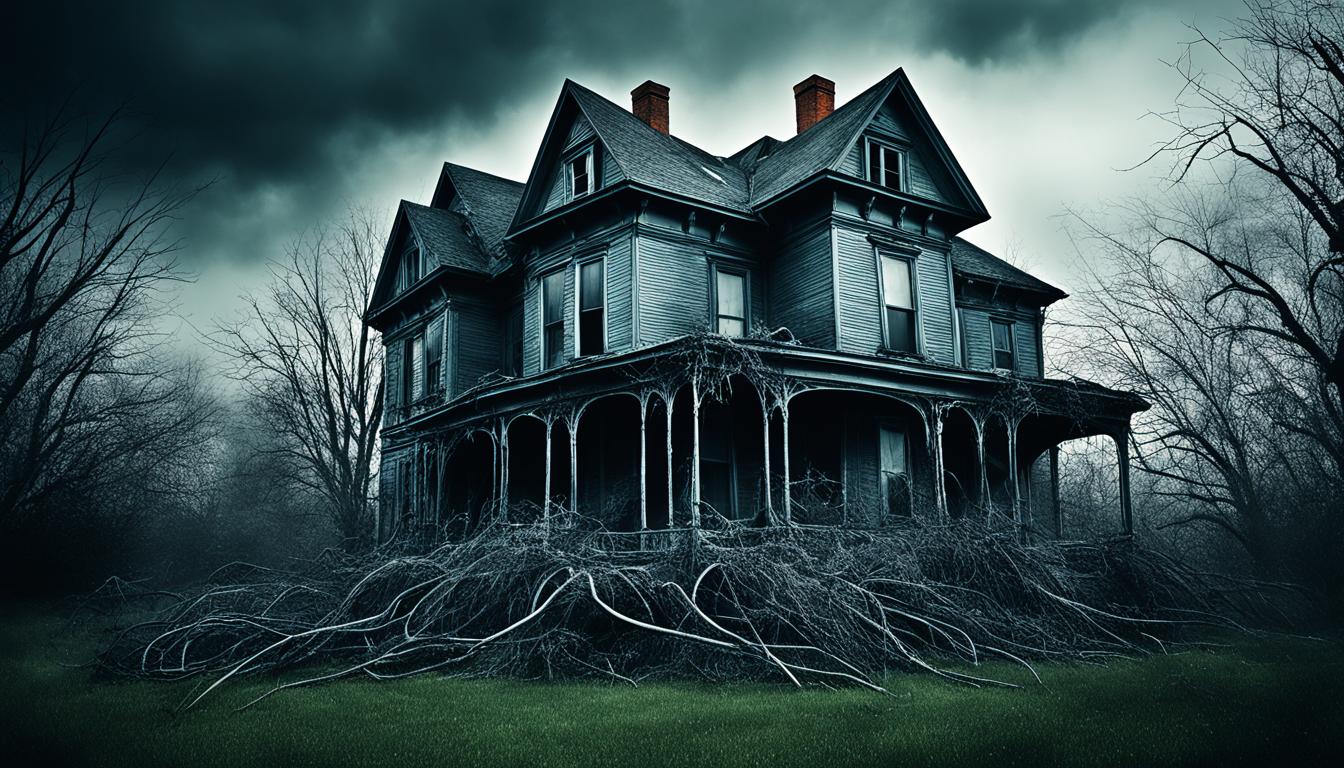
What Does It Mean to Dream About a Haunted House?
Have you ever had a dream that left you with an eerie feeling long after you woke up? A dream that seemed to linger in your mind, haunting you even in your waking hours? Dreams have a mysterious way of connecting with our deepest fears and emotions, often leaving us questioning their meaning and significance. One such dream that can evoke a sense of unease is dreaming about a haunted house.
When you dream about a haunted house, it’s not just about a spooky building filled with ghosts and apparitions. It holds a deeper meaning that resonates with your subconscious mind and emotions. It’s a reflection of the uncertainties and fears you may have about the future, the upcoming changes in your life. It’s a symbol of the problems and emotions that you might be avoiding or suppressing in your waking life.
But dreaming about a haunted house isn’t always a negative experience. It can also signify positive transformations that you may be going through personally or professionally. It serves as a reminder to explore those hidden aspects of yourself and embrace growth and change.
Key Takeaways:
- Dreaming about a haunted house represents uncertainty and fears about the future and upcoming changes.
- It symbolizes the problems and emotions that you are avoiding in your waking life.
- Ghosts and spirits in a haunted house dream can symbolize positive transformations.
- Exploring the meaning of a haunted house dream can provide insight into unresolved issues and emotions.
- Confronting and understanding the symbolism of a haunted house dream can lead to personal growth and peace.
The Symbolic Meanings of a Haunted House Dream
A haunted house in a dream can hold various symbolic meanings, providing insight into your subconscious thoughts and emotions. It represents more than just a spooky setting and serves as a mirror to your inner world. Exploring the symbolism behind a haunted house dream can help you uncover unresolved issues, past traumas, and deep-seated fears. Understanding these hidden meanings is key to addressing and healing negative energies within yourself.
When you dream about a haunted house, it may symbolize past emotional disturbances that continue to haunt you. These disturbances could be memories of painful experiences, feelings of guilt or neglect, past traumas, fears, or hurt. The haunting acts as a metaphor for the unresolved emotions and issues that are still lingering within you, seeking resolution.
Additionally, a haunted house dream can signify childhood issues or unresolved conflicts from your past. It may reflect how these unresolved issues are affecting your present life and preventing you from moving forward. The haunting serves as a warning, urging you to address and heal these negative energies in order to find inner peace and emotional well-being.
By delving into the symbolic meanings of a haunted house dream, you open yourself up to self-discovery and personal growth. Embrace the opportunity to explore the hidden aspects of your psyche, confront your fears, and heal from past wounds. Remember, your dream holds a powerful message waiting to be deciphered, guiding you towards a path of self-awareness and healing.
Whether you encounter ghostly apparitions, hear mysterious sounds, or experience a sense of foreboding within a haunted house dream, it is important to pay attention to the specific details and emotions associated with the dream. These details can offer valuable clues regarding the unresolved issues and emotions that need your attention and understanding.
So, the next time you find yourself wandering through the halls of a haunted house in your dreams, consider the symbolic meanings it holds. Use this opportunity to embark on a journey of self-reflection, healing, and personal transformation.

Exploring Specific Dreams of Haunted Houses
When it comes to dreaming of a haunted house, the specific details of your dream can provide valuable insights into your subconscious mind. Each element holds symbolic meaning and can offer a deeper understanding of your emotions, fears, and desires.
The Fear of the Unknown
Dreaming of standing outside a haunted house can indicate a fear of the unknown and apprehensions about shadows in your waking life. This dream may reflect a sense of uncertainty and anxiety about what lies ahead. It’s essential to recognize these fears and address them in order to move forward with confidence.
Exploring Buried Aspects of Yourself
Being inside a haunted house suggests turning inward and exploring buried aspects of yourself. This dream may signify a need for self-reflection and a desire to confront unresolved emotions or past traumas. It’s an opportunity to delve into your subconscious and gain a deeper understanding of who you are.
Breaking Free from Guilt or Past Actions
Feeling trapped inside a haunted house may represent a desire to break free from guilt or past actions. This dream could indicate a need for forgiveness, either from yourself or others, to release the emotional baggage that is holding you back. It’s a call to confront and address any unresolved issues or regrets.
Symbolizing the Need for a Big Change
Dreams of death occurring in a haunted house can symbolize the need for a major change in your life. This dream signifies the end of a chapter and the potential for rebirth or transformation. It’s an opportunity to embrace new beginnings and let go of what no longer serves you.
Visits from Departed Loved Ones or Feelings of Loss and Grief
Encountering ghosts in a haunted house can signify visits from departed loved ones or symbolize feelings of loss and grief. These dreams may offer comfort or closure, allowing you to reconnect with those who have passed away or process the emotions associated with loss. It’s important to pay attention to the messages or interactions you have with these apparitions.
Dreams of haunted houses carry significant meaning and can provide valuable guidance for personal growth and self-discovery. By analyzing the specific details and emotions associated with these dreams, you can uncover hidden messages from your subconscious mind. Embrace the opportunity to explore and understand these dreams, as they hold the key to unlocking a deeper understanding of yourself and your journey.
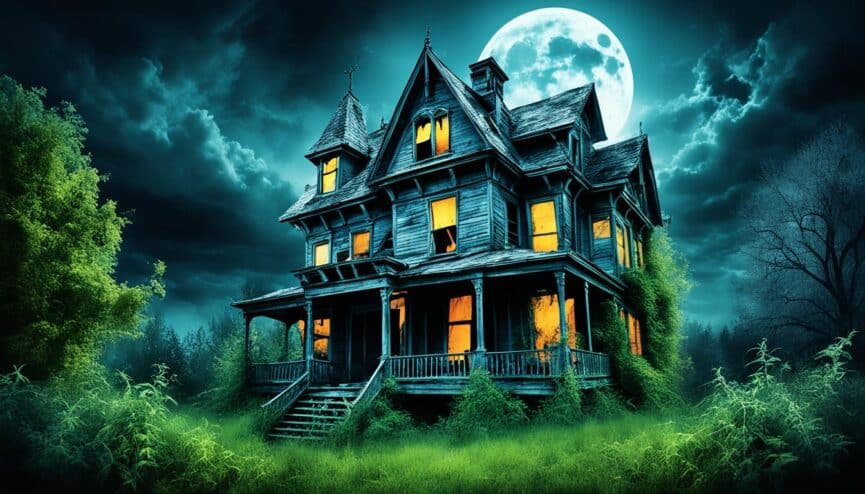
The Importance of Each Room in a Haunted House Dream
Each room in a haunted house dream holds different symbolic significance. Understanding the meanings behind these rooms can provide valuable insight into the emotions and experiences represented in your dream.
Haunted Attic Dream Meaning
The haunted attic represents things that are unseen or hidden. It signifies forgotten memories and unattended issues that may be lurking in your subconscious. Exploring the haunted attic in your dream suggests a need to address and confront these hidden aspects of yourself.
Haunted Living Room Dream Interpretation
The haunted living room relates to compromised personal space and the negative impacts it can have on your mental well-being. It may symbolize feelings of invasion, discomfort, or a lack of control in your waking life. Pay attention to the specifics of the living room in your dream to gain further insight into the sources of these emotions.
Haunted Bedroom Dream Symbolism
The haunted bedroom in your dream suggests issues related to intimacy, relationships, and acceptance. It may reflect hidden fears or insecurities concerning these aspects of your personal life. Exploring the haunted bedroom can offer opportunities for self-reflection and growth in these areas.
Basement Haunted Dreams
The haunted basement represents the unconscious, past memories, and neglected feelings. It symbolizes the depths of your emotions and the need to address unresolved issues that have been buried over time. Dreaming of a haunted basement can be a sign that you are ready to confront and heal these hidden emotions.
Haunted Bathroom Dream Analysis
The haunted bathroom focuses on self-reflection and the need to release past emotions. It represents a space for cleansing and healing, both physically and emotionally. Pay attention to the state of the bathroom and your interactions within it to gain insights into areas of your life that require self-care and emotional release.
Haunted Kitchen Dream Significance
The haunted kitchen relates to creativity and the feminine aspects of your life. It symbolizes the need to nourish your creative energy and embrace your intuitive side. Exploring the haunted kitchen in your dream can provide guidance on how to tap into your creativity and embrace your feminine power.
Haunted Closet Dream Explanation
The haunted closet symbolizes hidden fears or anxieties that you may be avoiding. It represents the aspects of yourself or your life that you keep hidden from others or even from yourself. Dreaming of a haunted closet can be an invitation to confront and address these fears in order to find inner peace and resolution.
Is Dreaming of a Haunted House a Bad Dream?
Dreaming of a haunted house does not necessarily indicate something negative or bad. Like all dream symbols, its interpretation depends on individual experiences and emotions. A haunted house in a dream serves as a powerful tool to process both positive and negative aspects of life. It offers an opportunity for self-reflection, healing past wounds, and addressing unresolved emotions. Facing and embracing the haunting can lead to personal growth and a sense of peace.
When you dream of a haunted house, it’s essential to recognize the symbolic meaning it holds rather than focusing on the negativity associated with haunted spaces. The haunting in your dream signifies unresolved issues or emotions that you may be subconsciously avoiding or neglecting. By confronting these hidden aspects through your dream, you embark on a journey of self-discovery and personal transformation.
- Dreaming of a haunted house can indicate a need to address past traumas or emotional disturbances that continue to haunt you.
- This dream symbolizes the fear of the unknown and apprehensions about the shadows in your waking life.
- Encountering ghosts in a haunted house may represent the presence of departed loved ones or feelings of loss and grief.
- Feeling trapped inside a haunted house signifies a desire to break free from guilt or past actions that bind you.
Haunted house dreams are not necessarily negative; rather, they serve as a call to confront and resolve unresolved issues and emotions. By embracing these dreams, you can embark on a journey of self-discovery and personal growth, ultimately finding peace within yourself.
Unlocking the Message Behind Haunted House Dreams
Haunted house dreams hold valuable messages that serve a higher purpose in your life. When interpreting these dreams, it’s essential to dive into the specific details and symbols that appear. Pay attention to the mood of the dream and the gender of the haunting presence. Also, consider any personal connections you may have to the haunted house.
Analyzing these details can provide powerful insight into the underlying emotions and experiences that need your attention. By facing and understanding the unresolved issues symbolized by the haunted house, you have the opportunity to release negative energy and find inner peace.
Remember, haunted house dreams are not inherently negative. They are catalysts for self-reflection and growth. Take the time to dissect the dream’s symbolism and explore your own interpretations. With each step towards confronting and healing your unresolved emotions, you can unlock the transformative message behind your haunted house dream.
FAQ
What does it mean to dream about a haunted house?
Dreaming about a haunted house can represent uncertainty and fears about the future and upcoming changes. It can also symbolize the problems and emotions that you are avoiding in your waking life.
What is the symbolic meaning of a haunted house dream?
A haunted house in a dream can have different symbolic meanings. It can represent past emotional disturbances, memories that haunt you, feelings of guilt or neglect, past traumas, fears, or hurt, and childhood issues. The haunting acts as a metaphor for unresolved issues or emotions that are still hidden within you.
How do I interpret a dream about a haunted house?
Dreaming of a haunted house holds valuable messages that serve a higher purpose in your life. It is important to analyze the specific details of the dream, such as the mood, the gender of the haunting, and any personal connections to the haunted house. These details can provide insight into the underlying emotions and experiences that need to be addressed and healed.
What do specific rooms in a haunted house dream represent?
Each room in a haunted house dream holds different symbolic significance. The haunted attic represents things that are unseen or hidden, forgotten memories, and unattended issues. The haunted living room relates to compromised personal space and negative impacts on mental well-being. The haunted bedroom suggests issues related to intimacy, relationships, and acceptance. The haunted basement represents the unconscious, past memories, and neglected feelings. The haunted bathroom focuses on self-reflection and the need to release past emotions. The haunted kitchen relates to creativity and the feminine aspects, while the haunted closet symbolizes hidden fears or anxieties.
Is dreaming of a haunted house a bad dream?
Dreaming of a haunted house does not necessarily indicate something negative or bad. Like all dream symbols, its interpretation depends on individual experiences and emotions. A haunted house in a dream serves as a powerful tool to process both positive and negative aspects of life. It offers an opportunity for self-reflection, healing past wounds, and addressing unresolved emotions.
What is the importance of haunted house dreams?
Haunted house dreams hold valuable messages that serve a higher purpose in your life. By confronting and understanding the unresolved issues represented by the haunted house, you can release the negative energy and find peace within yourself.