Dreams About Vultures: Meanings & Symbolism
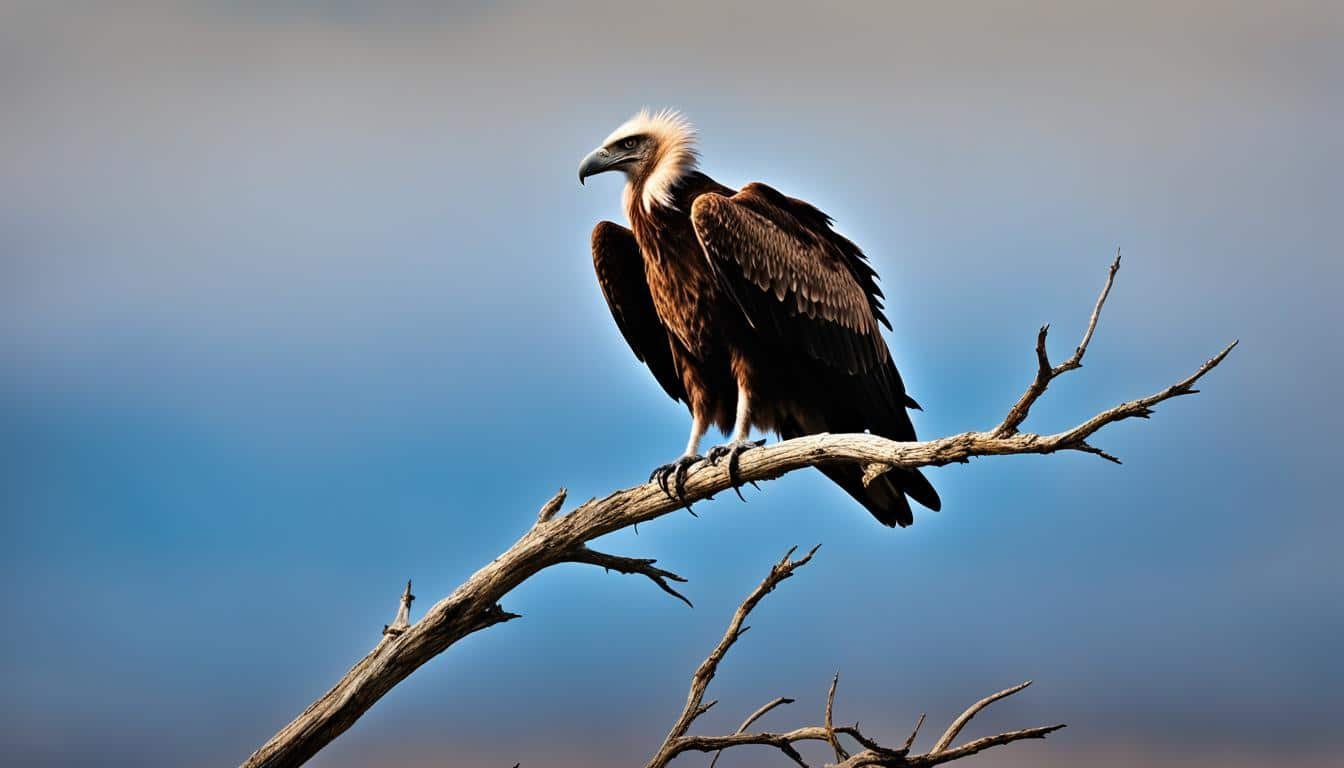
Welcome to a mysterious world where dreams and symbolism intertwine. Have you ever had a dream about vultures? These majestic yet enigmatic creatures hold significant meaning and symbolism in the realm of dreams. In this article, we will explore the various interpretations and messages behind dreams about vultures, shedding light on their spiritual significance and cultural beliefs. Whether you’ve encountered a soaring vulture or witnessed an encounter with these fascinating birds, understanding the hidden messages within your dreams can offer valuable insights into your life’s journey.
Key Takeaways:
- Dreams about vultures hold diverse meanings and symbolism.
- Specific dream scenarios involving vultures can have varying interpretations.
- Vultures can symbolize intelligence, improvement, and success.
- Emotional experiences during vulture dreams can range from fear to curiosity.
- Cultural and folklore beliefs about vultures add depth to their interpretation.
The Symbolism Behind Dreams About Vultures
Throughout history, the vulture has been associated with various symbolic meanings in dreams. In some cultures, vultures are seen as having a special connection with nature, representing rebirth and serving as symbols of devotion and spiritual guidance. These beliefs highlight the positive connotations associated with vultures and their significance in the mystical interpretation of dreams.
However, in Western culture, vultures are often perceived in a negative light, symbolizing the possibility of others waiting to take advantage of a person’s mistakes. This darker interpretation emphasizes the cautionary aspect of vulture dream symbolism, warning against the presence of corrupt individuals in one’s surroundings.
The scavenging behavior of vultures also holds symbolic meaning in dreams. This behavior represents the importance of examining things down to their core and honoring the cycle of life and death. Dreaming of vultures can serve as a reminder to dig deeper, revealing hidden truths and gaining a deeper understanding of one’s own experiences.
As you delve into the symbolism behind dreams about vultures, it’s important to consider cultural and individual interpretations. For example, gypsy folklore warns against corrupt people when dreaming of vultures. Understanding these cultural variations adds depth to the overall interpretation of vulture dreams.
In summary, dreams about vultures hold profound symbolism. They can represent both positive and negative aspects, such as rebirth, devotion, and caution in different cultural contexts. Moreover, the scavenging behavior of vultures emphasizes the need to explore deeper meanings and honor the cycles of life and death. By analyzing vulture dream symbolism, you can gain valuable insights into your own journey and spiritual growth.
Interpretations of Specific Dream Scenarios with Vultures
Different dream scenarios involving vultures can have specific interpretations. Here are some common dream scenarios featuring vultures and their potential meanings:
- Dreaming of seeing vultures: This dream may indicate that new things will happen in your life, symbolizing luck and positive changes on the horizon.
- A vulture flying: This dream can have two interpretations. It may suggest terrible news or loss, but it can also represent success and accomplishments.
- If a vulture lands: This can be a warning to make important decisions, as it signifies the need for timely action and careful consideration.
- Dreaming of many vultures: This dream may indicate financial gains or the opportunity to help someone in need, emphasizing your potential for abundance and generosity.
- Vultures attacking: This dream can represent disappointment from people close to you, highlighting the importance of caution and trust in your relationships.
- A vulture eating a carcass: This dream can signal that someone else may experience loss for your benefit, suggesting that unexpected circumstances may work in your favor.
The interpretations of vulture dreams may vary depending on the specific dream scenario and the context of your waking life. Pay attention to your emotions and the details of your dream to gain deeper insights into its meaning.
Lesser-Known Interpretations of Vulture Dreams
In addition to the commonly known interpretations of vulture dreams, there are some lesser-known interpretations worth exploring. These unique perspectives can provide a deeper understanding of the messages behind dreams about vultures.
Dreaming of Sympathy and Altruism
One lesser-known interpretation of vulture dreams suggests that they may represent the need for more sympathy and altruism in your life. This interpretation encourages you to consider how you interact with others and whether you are showing compassion and empathy towards those around you.
Recognizing Exploitative Behaviors
Another unique interpretation of vulture dreams is that they can serve as a symbolic recognition of exploitative behaviors in oneself or others. This interpretation urges you to be mindful of any tendencies to take advantage of others or to be aware of individuals who may be seeking to exploit you.
These lesser-known interpretations highlight the importance of considering different perspectives and associations when trying to understand the meaning of dreams about vultures. By exploring these unique interpretations, you can gain a deeper insight into the messages and symbolism behind your vulture dreams.
Conclusion
Dreams about vultures hold significant symbolic meaning, providing valuable insights into various aspects of life. These dreams can reflect both the destructive aspects of our personality and the potential for positive transformation. By interpreting vulture dreams, we gain a deeper understanding of their messages and the specific scenarios within the dream.
Exploring the symbolism of vultures in dreams reveals their association with protection, luck, and opportunity. These birds of prey often serve as cautionary symbols, warning us about potential dangers and highlighting the need for vigilance. However, they can also signify the arrival of good fortune and the prospect of success in business endeavors.
To fully interpret vulture dreams, it is essential to consider the emotional experiences and cultural beliefs surrounding these powerful creatures. The fear, curiosity, and contentment we feel during these dreams provide valuable cues for understanding their significance. Additionally, cultural interpretations and folklore shed light on the diverse perspectives and associations people have with vultures in their dreams.
By delving into the intricacies of dreams about vultures, we open ourselves to personal growth and self-reflection. These dreams prompt us to explore our personalities, confront our fears, and seize the opportunities that come our way. So, next time you find yourself dreaming of vultures, pay attention to the messages they bring and embrace the transformative power of your dreams.
FAQ
What is the meaning behind dreams about vultures?
Dreams about vultures can symbolize the destructive side of a person’s personality or represent intelligence and improvements in one’s life.
How can I interpret a dream involving vultures?
Different dream scenarios with vultures have specific interpretations. For example, seeing vultures can indicate luck and positive changes, while vultures attacking may suggest disappointment from people close to you.
What is the spiritual significance of vulture dreams?
Some interpretations suggest that vultures in dreams may represent the response to someone taking advantage of another person’s accomplishments or serve as a symbol of respect for the deceased.
What are some cultural and folklore beliefs about vultures in dreams?
In different cultures, vultures can be seen as protective spiritual forces or warning signs of corrupt individuals. In Egyptian culture, they are associated with the goddess of death and reincarnation.
What emotional experiences can occur in dreams about vultures?
Dreams about vultures can evoke a range of emotions, from fear and anxiety to curiosity and contentment, depending on the specific dream scenario and personal associations with vultures.
Are there any lesser-known interpretations of vulture dreams?
Yes, dreaming of vultures can also represent the need for empathy and the recognition of exploitative behaviors in oneself or others.